Candy boxes have a quiet way of transforming simple sweets into something meaningful. A piece of chocolate or a handmade caramel tastes the same no matter what it’s wrapped in—but it feels very different when it’s placed inside a well-designed box. That feeling is what customers buy as much as the candy itself. They’re buying a moment, a presentation, a small gift experience. And the candy box makes that possible.
At the heart of a candy box’s value is presentation. When treats sit in a clean, structured box, they immediately look more appealing. A box organizes the sweets into rows or sections, lifting them up visually. The customer feels like they’re opening something thoughtful. It doesn’t matter if the sweets were made in a high-end chocolatier’s kitchen or a home bakery—the box elevates them. Even a simple kraft or white box can create that effect when it’s folded tightly and closed neatly.
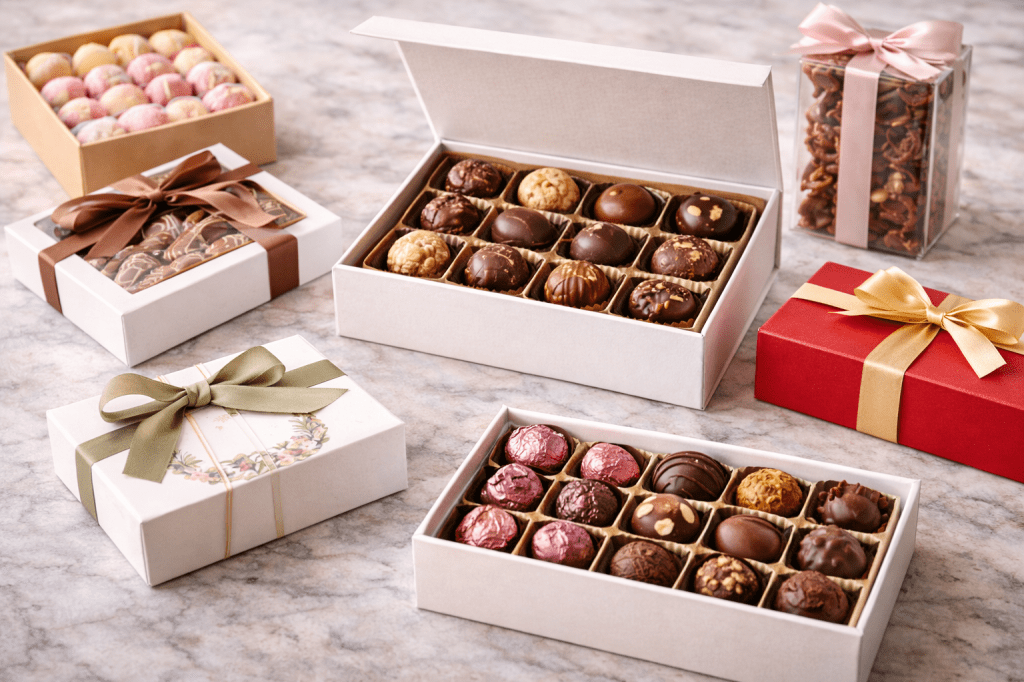
Candy boxes also keep products safe. Chocolate, truffles, dipped items, and soft-textured sweets are all easily damaged. Heat, fingerprints, dust, and pressure can ruin the look long before the candy reaches the customer. A strong candy box shields the treats through storage, display, and transit. That protection preserves not just the candy’s shape, but the joy the customer feels when they finally open the lid.
Shops rely on candy boxes for consistency. Workers can pack boxes quickly because the shape is predictable. The lid closes the same way every time. The size matches the product. This speeds everything up, especially during busy seasons when lines grow and orders stack high. The right candy boxes keep a shop calm and efficient when it matters most.
Portion control is another great advantage. Candy boxes let businesses create standard offerings: four-piece samplers, six-piece gifts, twelve-piece assortments, and so on. This makes buying easier for customers and planning easier for the business. People like options that feel curated and complete, and candy boxes make that possible.
Branding also lives on candy boxes in powerful ways. Even something as simple as a sticker or custom-printed ribbon turns a plain box into a brand statement. Some shops choose bold colors; others choose minimal, clean designs. Window boxes show off decorated chocolates and add visual appeal. Two-piece boxes create a classic “gift opening” moment. There’s a style for every brand personality, and those choices shape how customers remember the shop.
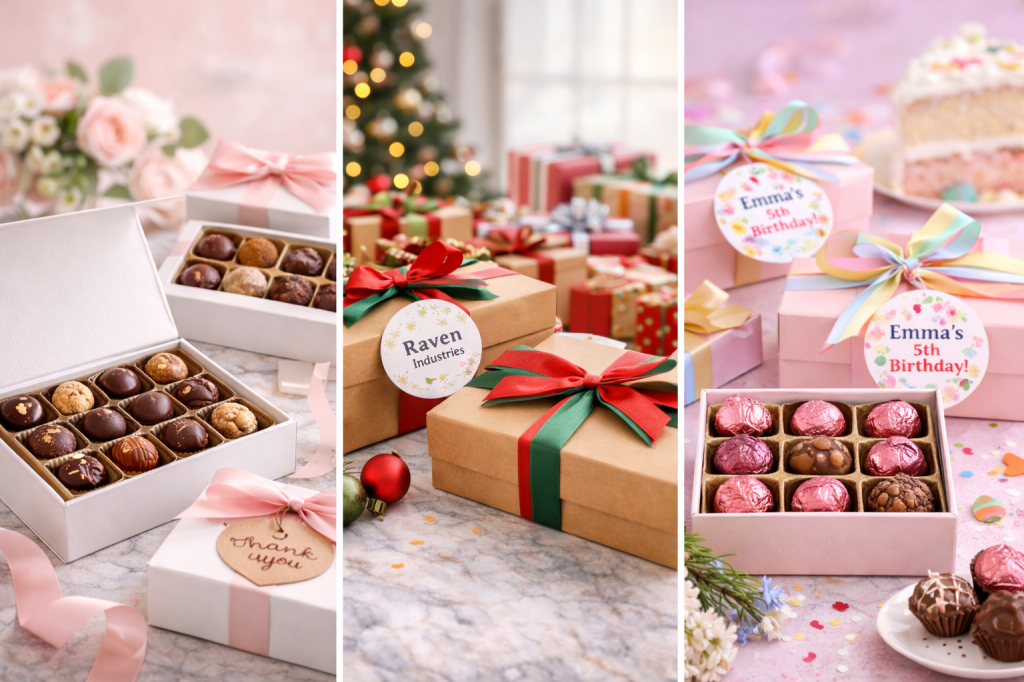
Candy boxes are also used far beyond traditional retail. Event planners use them for favors. Corporate offices use them for holiday gifts. Families use them for birthdays, weddings, or seasonal treats. The box becomes part of the event—something guests remember and sometimes save. A well-made box often outlives the candy itself.
They also help small businesses step into a more professional space. A home baker can go from “homemade treats” to “boutique dessert service” simply by packaging their creations in consistent, clean candy boxes. Customers instantly see the difference. Presentation becomes part of the product story.
The practicality of candy boxes should not be overlooked either. They stack neatly, store easily, and travel well. A shop can keep hundreds of flat-packed boxes ready without taking up much space. And because they’re so simple to assemble, workers don’t waste time fighting awkward packaging.
What makes candy boxes truly special is the emotional lift they give. They make people slow down, open the lid carefully, and enjoy a moment that feels thoughtful. They turn small treats into meaningful gifts. They make celebrations feel a little sweeter. And they help businesses present their products with pride.
Candy boxes do more than hold candy—they elevate it, protect it, and make it memorable. They take something delicious and wrap it in an experience.
 Food Packaging Business