The food packaging industry changes just as other industries across the world. Any effort that helps improve your product and customer service and brings more leads is worth the time and money. A part of this effort is to keep an eye on emerging food packaging trends. It can help you avoid lagging in the competition.
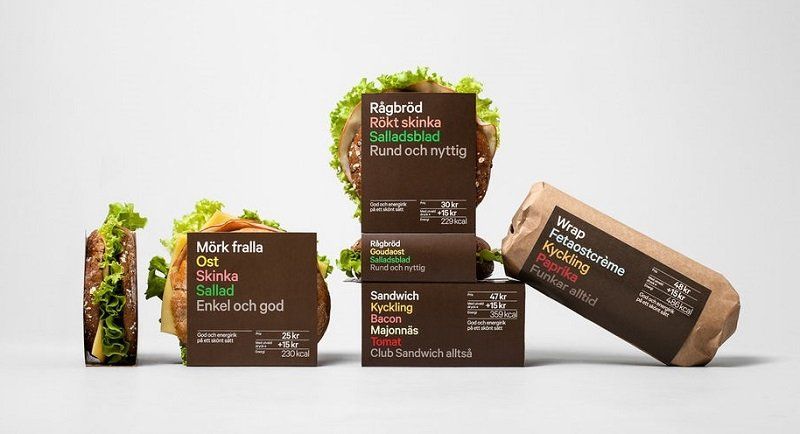
With consumers becoming more aware of the supply chain, packaging has become a more valuable tool in recent times.
Now, let’s discuss some top trends in food packaging and how you may use them to improve your organization’s overall image.
Packaging personalization
Packaging personalization hasn’t remained an unknown concept. Customers, whether they are Millenials or Gen Z, love it. The good thing for you is that not enough companies are using this technique to attract their customers, meaning that you can use it to beat the competition while it hasn’t matured enough.
If you want to look at the examples of packaging personalization, you don’t have to look quite far. You may have seen Coca-Cola bottles with names emblazoned on their labels.
Using packaging to engage emotionally with consumers
Today, customers expect a lot from brands. They are not solely interested in the product they purchase. They are also interested in product packaging. They want to enjoy visuals and designs on your packaging to trust your brand. And most importantly, they want to be familiar with your brand story to understand your purpose and mission.
Here, you can use your product packaging to invoke a range of different emotions in your customers. These emotions can range from excitement to nostalgia. However, first, you have to identify your audience to know what their tender emotions are. You can design your product packaging to develop an emotional bond between your brand and those customers.
Smart packaging
Spoilage of 31% of food products means a mammoth amount of food waste. The good thing is that you can counter this problem with the right food packaging. Smart packaging is one of the most viable options in this regard. This technique allows consumers to track the status of their food products.
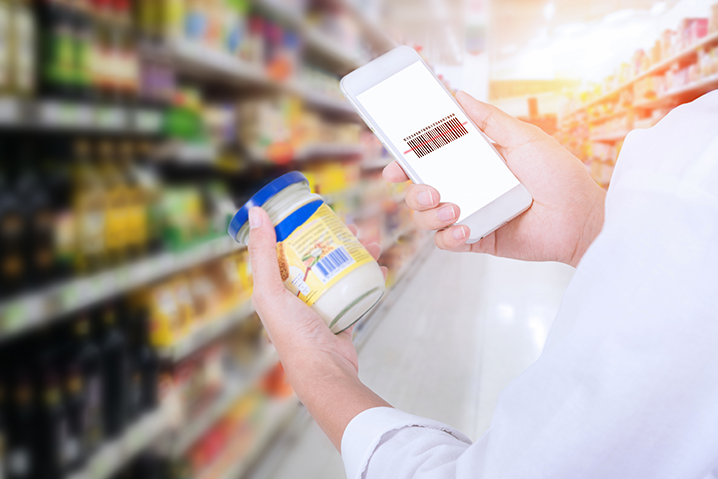
The use of small paper sensors is an example of smart food packaging. These sensors detect when the packaged food is no longer safe to consume. The paper sensor is attached to the packaging. It changes color when it comes in contact with spoiled food. Other smart food packaging methods include the use of printed QR codes, which the consumers can scan using their smartphones to learn about the product and the company.
Metal food packaging
Consumers continue to turn away from plastic packaging and demand more eco-friendly alternatives. It has resulted in the rise of metal food packaging. Metal packaging can protect foods from contamination and enhance their shelf-life as well.
Moving from plastics to bioplastics
While we all want to move away from plastics to help save the environment, it is an undeniable fact that they are the cheapest and most convenient food packaging option available. So, is there a way to stick to plastics while avoiding their environmental disadvantages? The answer is yes. You can consider using bioplastics to package your food products. They offer the same benefits as those of conventional plastics while helping you save the environment with their biodegradability.
 Food Packaging Business