Biodegradable packaging is one of the best types of new packaging, used to help with reducing the overall waste that you have going on. with so many different and unique changes to your packaging, it makes sense that more people are jumping on his train.
It’s a fun, immersive way to reduce the waste that your company puts out. best of all, most of the biodegradable forms of packaging allow for customers to toss this in a seamless manner.
There are common ones such as cardboard and paper products that are biodegradable packaging, but some of the new ones include seaweed, cornstarch, bamboo, packing peanuts made from these materials, cellulose, and even mushrooms! All of these types of packaging are simple to break down, reducing the carbon footprint, and making your brand footprint even better.
The most Common Biodegradable Packaging Options
Most of the time, the goal of biodegradable packaging is for it to break down and stay broken down.
There are plant-based plastics, which in turn are simple materials that will ultimately be the best option for breaking down plastics. Naturally made from plants, they are plastics that will in turn break down when tossed in landfills.
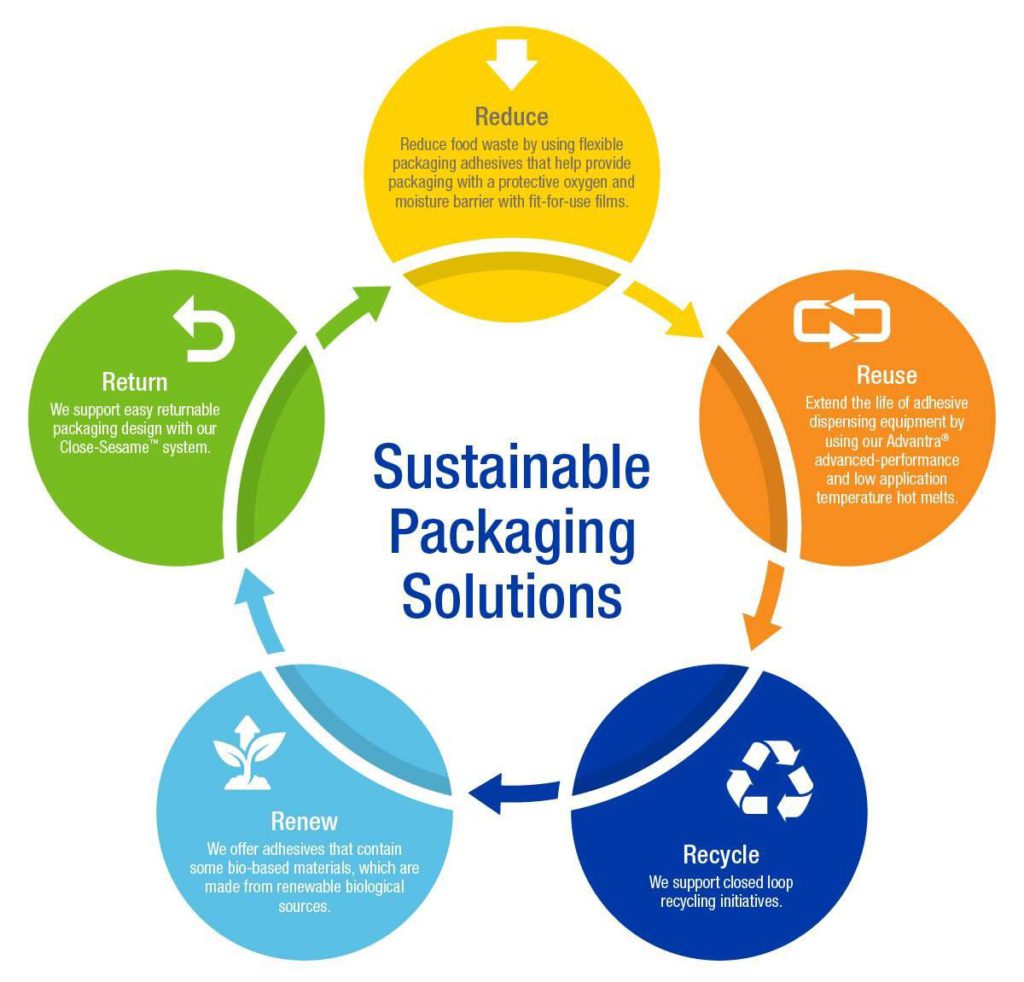
The most common is paper and cardboard, both unique alternatives to the normal types of packaging options that are out there. Most people like this type of packaging material because it’s cheaper than the alternatives.
One that’s recently come up is edible packaging. Used with food products, they are a packaging that you can eat when you’re done with the product. Seaweed is a common type of edible packaging that you see from these types of packaging options.
Challenges and benefits
There are plenty of benefits that come with this type of packaging.
The first and most common is that the environmental impact is far lessened by biodegradable products. When you toss it, it will break down, sometimes within a few months. In contrast, most of the other types of packaging may take decades, or centuries to break down, and this leads to more landfill waste.
With biodegradable packaging, you’re able to prevent this from being a problem over time, and it can cause a lot less headaches for those who care about the environment, and it’s far better than other types of packaging that’s out there
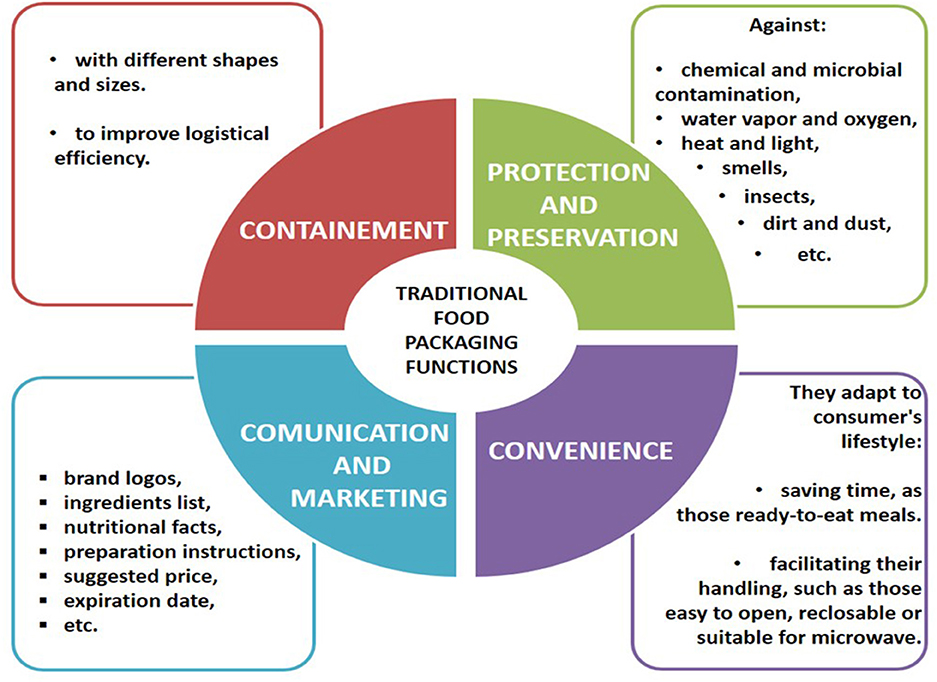
But the problem with this packaging is the production. You need to make sure that it’s sustainable in production, because otherwise, you’re expending energy that you might not have. This ultimately creates a lot of problems as well for those who are looking to improve their production capabilities that are there as well.
The costs are another major part of this too. Some companies notice this immediately, because they may cost far more than their current packaging options. While the long-term benefits outweigh the costs, many people need to also factor in whether they can pay for the upfront costs of this, without having to sacrifice the packaging quality or raising costs.
Shelf life is the final option. While this type of packaging is good, it does break down. In some cases, this may compromise the products that are on the shelves, and ultimately create a problem.
With many of these unique types of packaging though, there are now new additives. Sensors to tell you the freshness of your item for example, is quite common. We plan to see a lot of different emerging technologies.
Biodegradable packaging is very popular for brands, and it offers a lot of great benefits for those looking for the ultimate in their packaging experience for products.
 Food Packaging Business