People rarely admit this, but candy tastes different depending on how it is presented. The ingredients do not change, yet the experience does. When candy comes from a box that feels careless, people expect less. When it comes from a box that feels thoughtful, people slow down and enjoy it more. Candy boxes quietly shape those expectations before anyone realizes it.
One question people often ask is why the same candy feels better in one setting than another. The answer is context. Candy handed over loose or poorly boxed feels casual, almost forgettable. Candy placed neatly in a well-fitted box feels deliberate. That sense of intention affects how people approach the first bite. They chew slower. They notice texture. They stay present. The box sets the tone without saying a word.
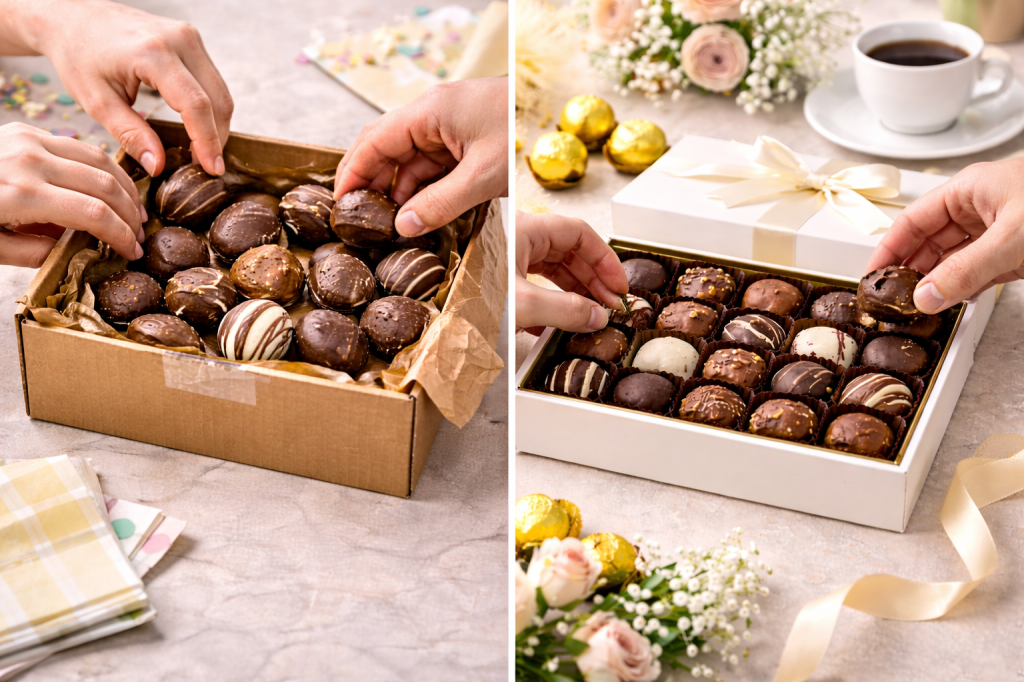
Another common question is how candy boxes affect gifting. When candy is given as a gift, the box becomes part of the message. A weak box can make the gift feel rushed, even if the candy is high quality. A solid box communicates effort. It says someone planned ahead. It says the moment mattered. That message lands before the box is opened, and it colors everything that follows.
People also ask how to avoid candy feeling “store bought” in a bad way. This often comes down to spacing and structure. When candy is crammed together, it feels mass-produced. When pieces have room and sit evenly, they feel selected. A box that supports that layout helps candy feel curated instead of dumped. That distinction matters, especially when candy is used for events or special occasions.
Another issue is how long candy stays appealing once opened. Some boxes look good for the first few seconds, then fall apart as soon as someone takes a piece. Gaps form. Candy tips over. The display feels unfinished. Boxes designed to hold their shape even as candy is removed keep the experience pleasant from start to finish. That consistency helps candy stay inviting instead of slowly losing appeal.
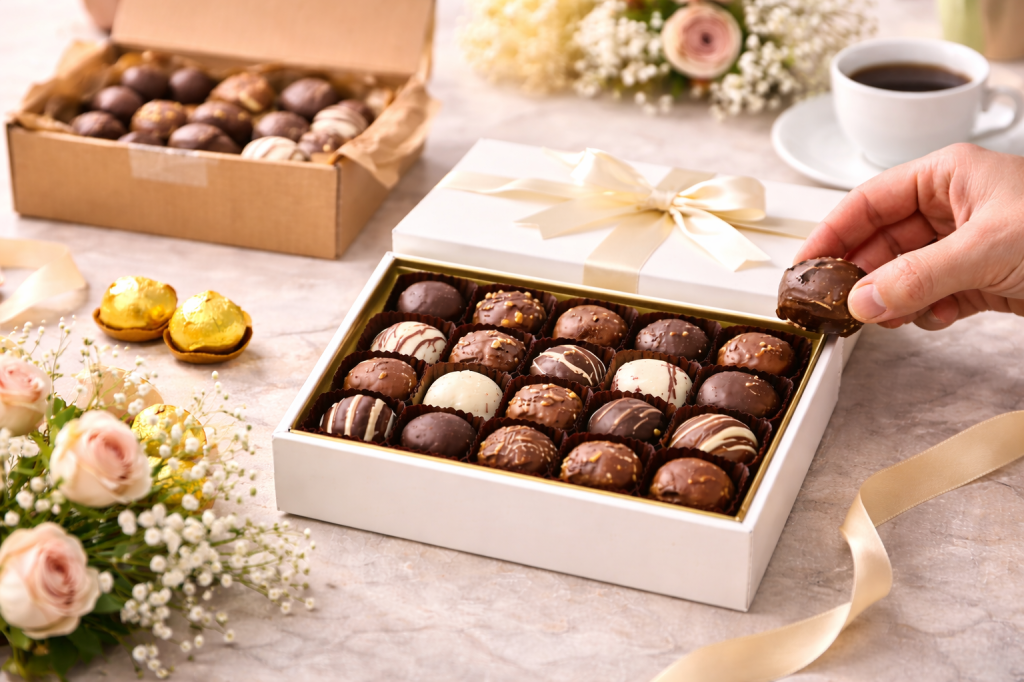
People also think about cleanliness, even if they do not say it directly. Candy that slides around feels touched, even when it is not. Boxes that keep candy in place reduce that perception. Each piece feels separate and fresh. That feeling matters more in shared spaces, where many hands are nearby. A box that maintains order helps people feel comfortable taking part.
There is also growing interest in packaging that feels sensible after use. Candy boxes that can be flattened, reused, or easily recycled leave a better impression than those that feel wasteful. When packaging feels simple and practical, it does not distract from the candy. It supports the experience instead of competing with it. That balance is important for people who care about what they throw away.
Choosing the right candy box is not about decoration or trends. It is about guiding how people feel from the first glance to the last piece. A good box protects shape, supports order, and signals care. When those elements come together, candy feels better to eat, even if the recipe never changes. Presentation does not just frame the candy. It changes how people experience it.
 Food Packaging Business