Why presentation changes everything

You ever hand someone a box of candy and before they even open it, you can tell what they’re thinking just by how it looks in their hands, because people notice the outside faster than anything inside.

If the box feels soft, looks a little uneven, or doesn’t sit right when they hold it, it already changes the moment, even if what’s inside is actually great.

That’s the part a lot of people overlook, because they focus on the candy itself, the flavor, the ingredients, how it tastes, but the first impression always comes from what they see and feel before they ever take a bite.

Think about it like this, if you pick up a box and it feels firm, clean, and holds its shape, there’s a certain expectation that comes with it, like whatever is inside was handled with care and thought all the way through.
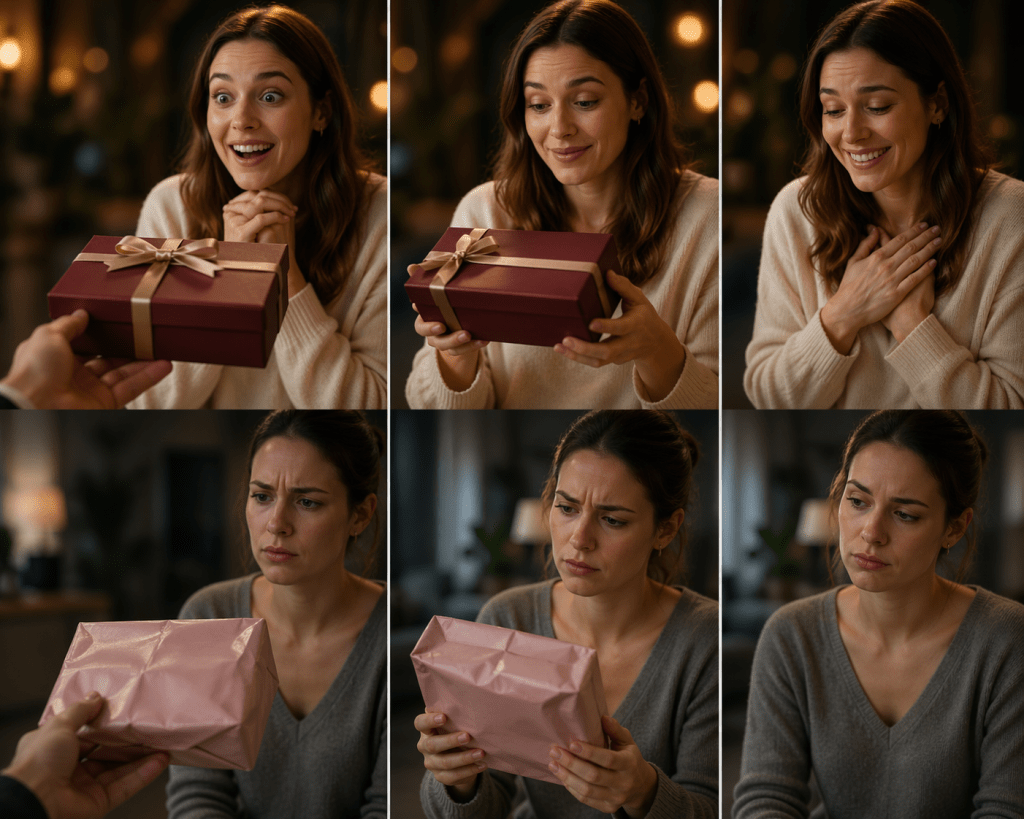
But if it bends a little when you hold it, or the lid doesn’t sit right, or the edges look worn before it even gets opened, it creates a different feeling, even if the candy inside is exactly the same.

That moment matters more than people think, especially when candy is being given as a gift, sold in a store, or shipped to someone who has never ordered before.

It’s not just about protection at that point, it’s about how the whole experience feels from the second someone picks it up.

If you’ve ever packed candy for customers, you’ve probably seen this yourself, where two orders can have the exact same product, but one looks more put together simply because the box holds everything in place and presents it cleanly.

The pieces sit where they should, nothing looks out of place, and when the lid opens, it looks intentional, not like it shifted around during the trip.

That’s where the structure of the box starts doing more than just holding things, it starts shaping how the product is experienced.

Even small details, like how the lid closes, how the edges line up, or how the box stacks before shipping, all play into whether the final result feels put together or rushed.
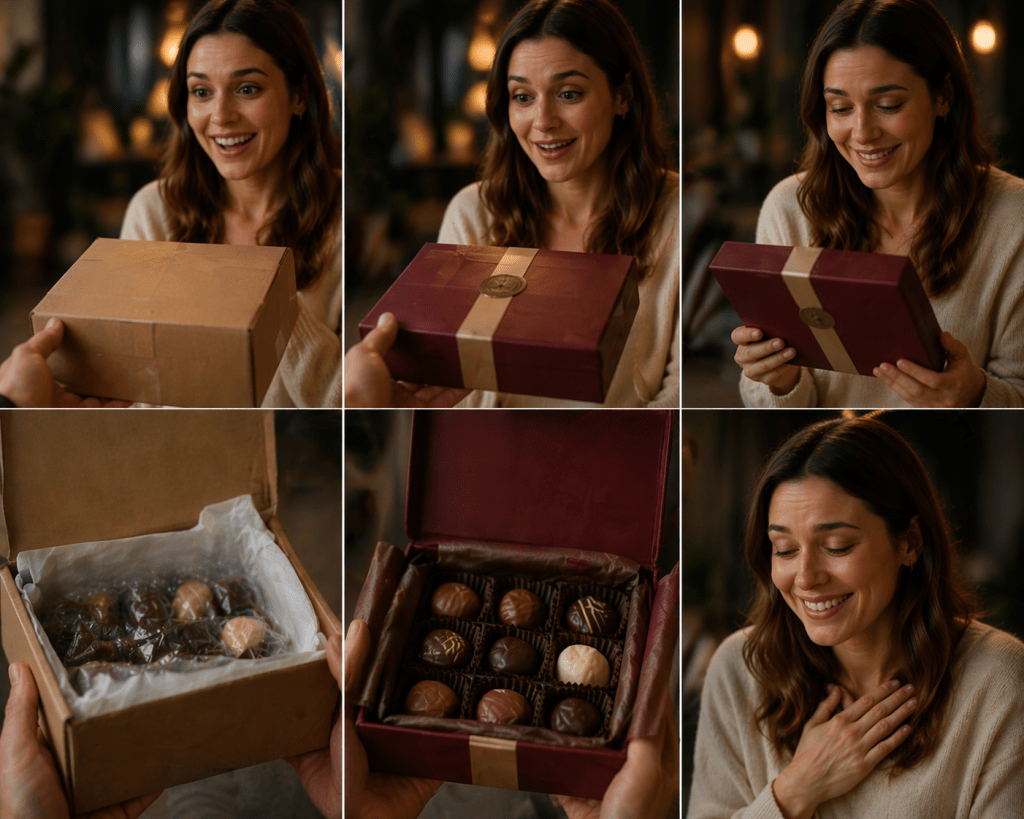
It also affects how confident someone feels when they hand it to another person, because no one wants to give something that looks like it barely made it through the trip.

Stronger candy boxes help remove that concern, because they keep everything in place from the moment it’s packed to the moment it’s opened, which means the presentation stays consistent instead of changing along the way.

This becomes even more noticeable over time, because once people start receiving products that look clean and hold up, that becomes the expectation, and anything less stands out right away.

For businesses, that can turn into repeat customers or lost ones depending on how that first impression lands, and for individuals, it can be the difference between feeling proud of what you’re giving or second guessing it.

Most people don’t think about the box until something goes wrong, but when it’s done right, it quietly improves every part of the experience without calling attention to itself.

And when the outside matches the quality of what’s inside, that’s usually when everything finally feels complete.
How a Small Box Can Sweeten Big Business

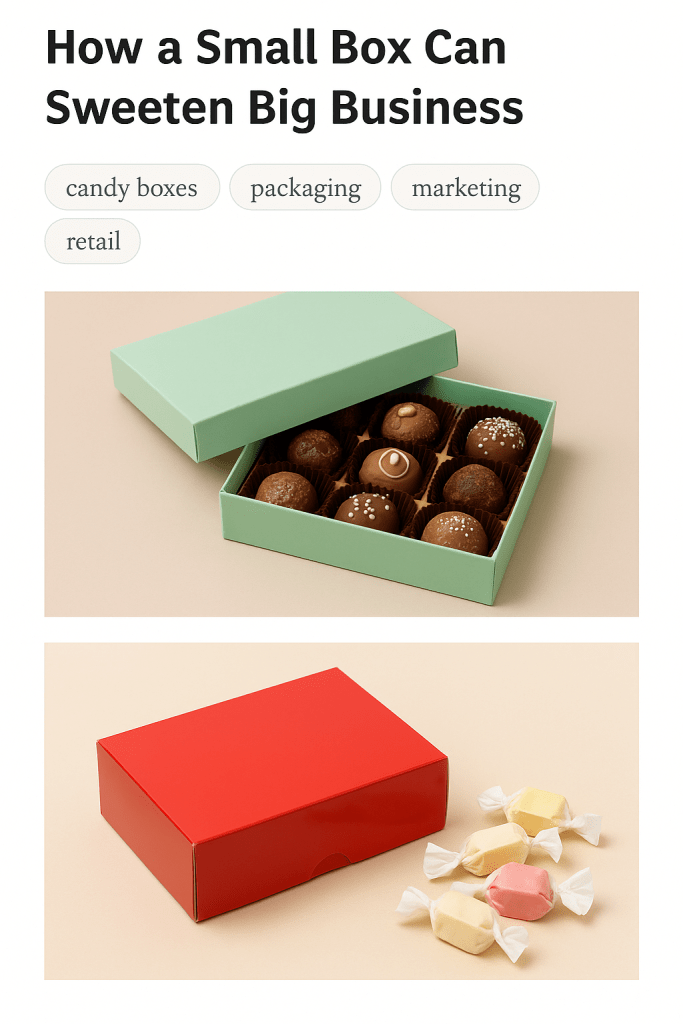
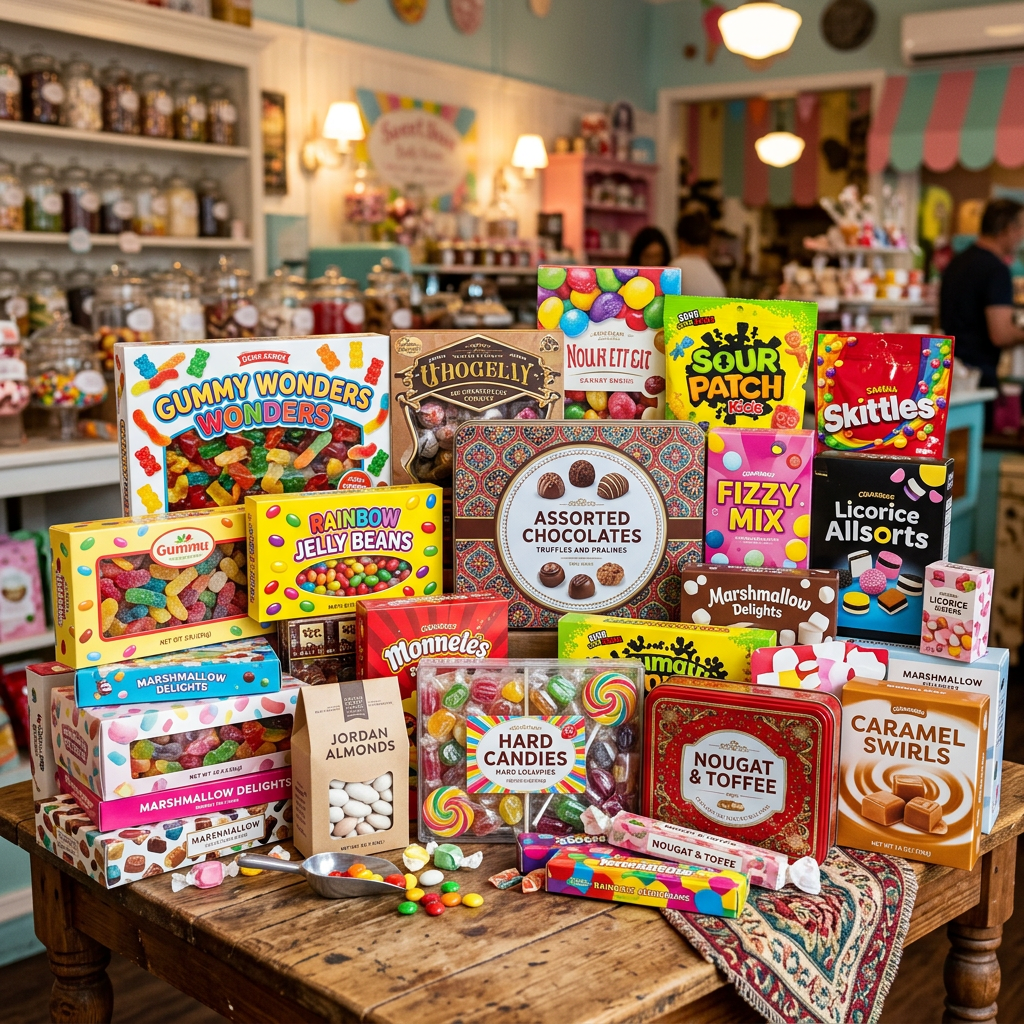
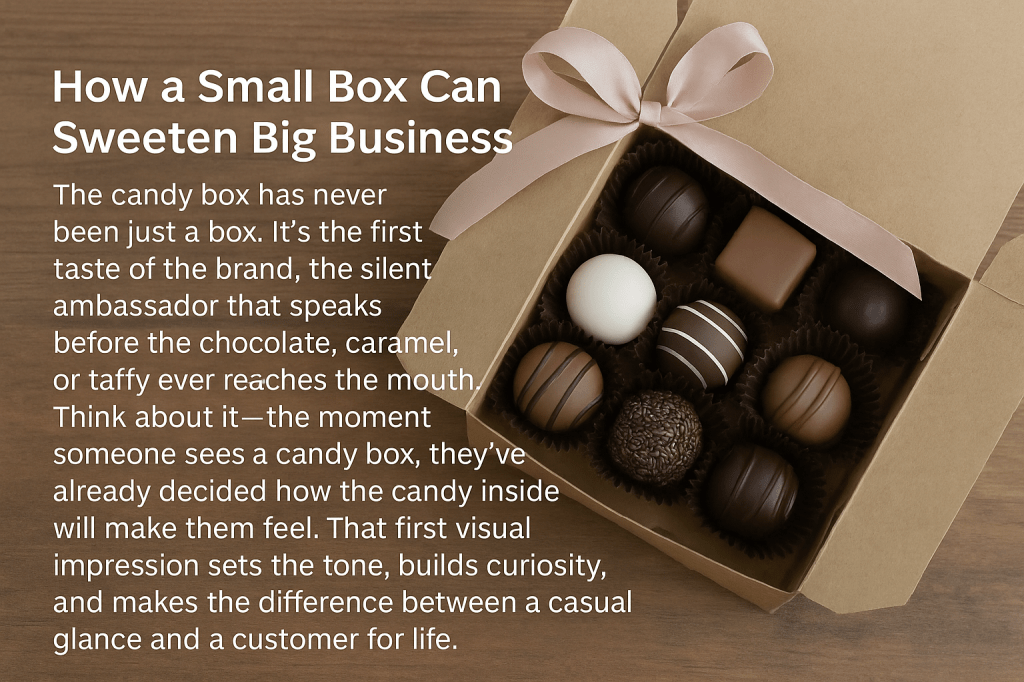
The candy box has never been just a box. It’s the first taste of the brand, the silent ambassador that speaks before the chocolate, caramel, or taffy ever reaches the mouth. Think about it—the moment someone sees a candy box, they’ve already decided how the candy inside will make them feel. That first visual impression sets the tone, builds curiosity, and makes the difference between a casual glance and a customer for life.

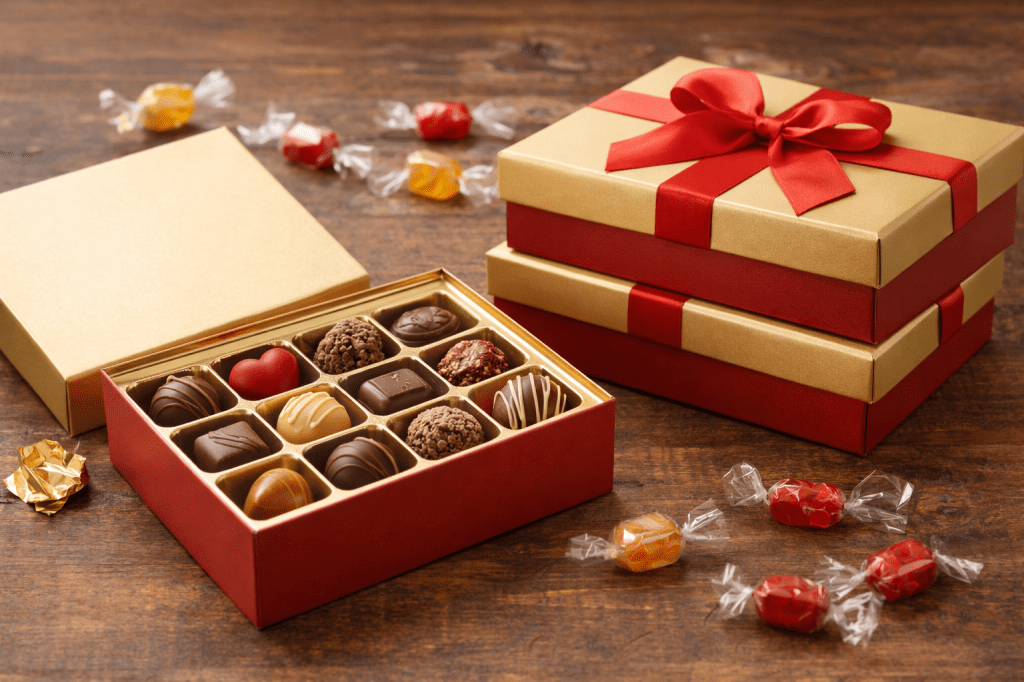
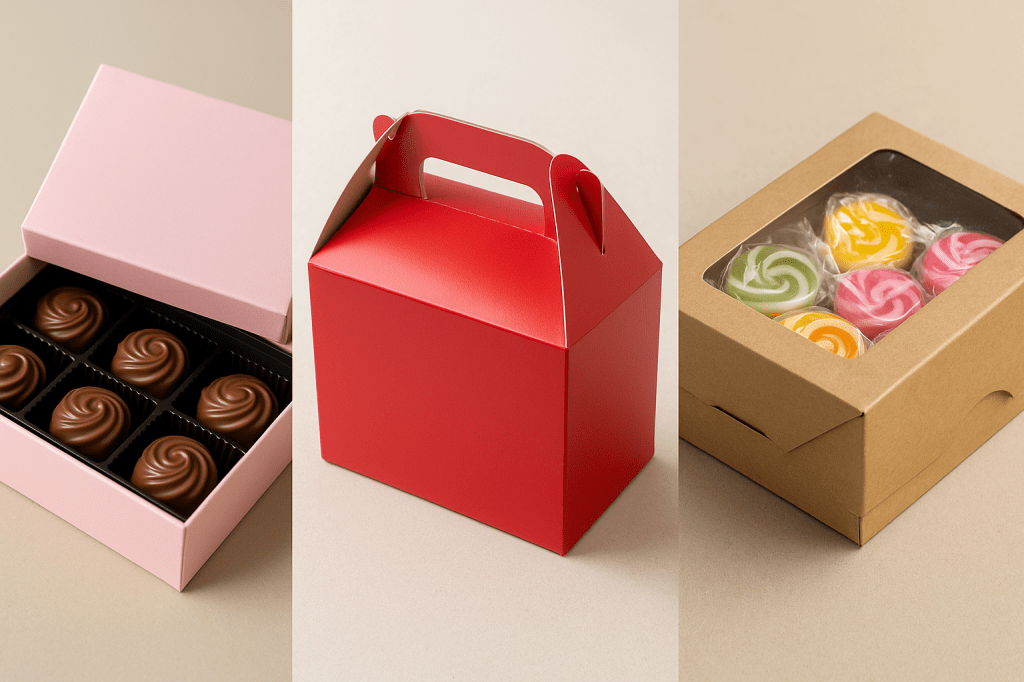
A candy box does more than protect sweets; it transforms them. A box with a soft matte finish and clean edges says “premium” before the seal is even broken. A shiny red folding carton whispers “holiday,” while a simple kraft tuck-top says “authentic and homemade.” The language of packaging is silent but powerful. It’s what allows small candy makers to compete with large factories. They might not have big advertising budgets, but they can use packaging to tell a story—one rooted in care, tradition, and warmth.

The beauty of a candy box lies in how it connects generations. We all remember the feeling of opening a box of chocolates as kids—the anticipation, the smell of sugar and cocoa, the glimmer of foil. That nostalgia is still the heartbeat of the candy industry. Modern packaging may use better materials, sharper designs, and smarter printing, but the goal hasn’t changed: make people feel joy before they even taste the sweetness. Every brand that masters that feeling wins hearts faster than any discount or coupon.

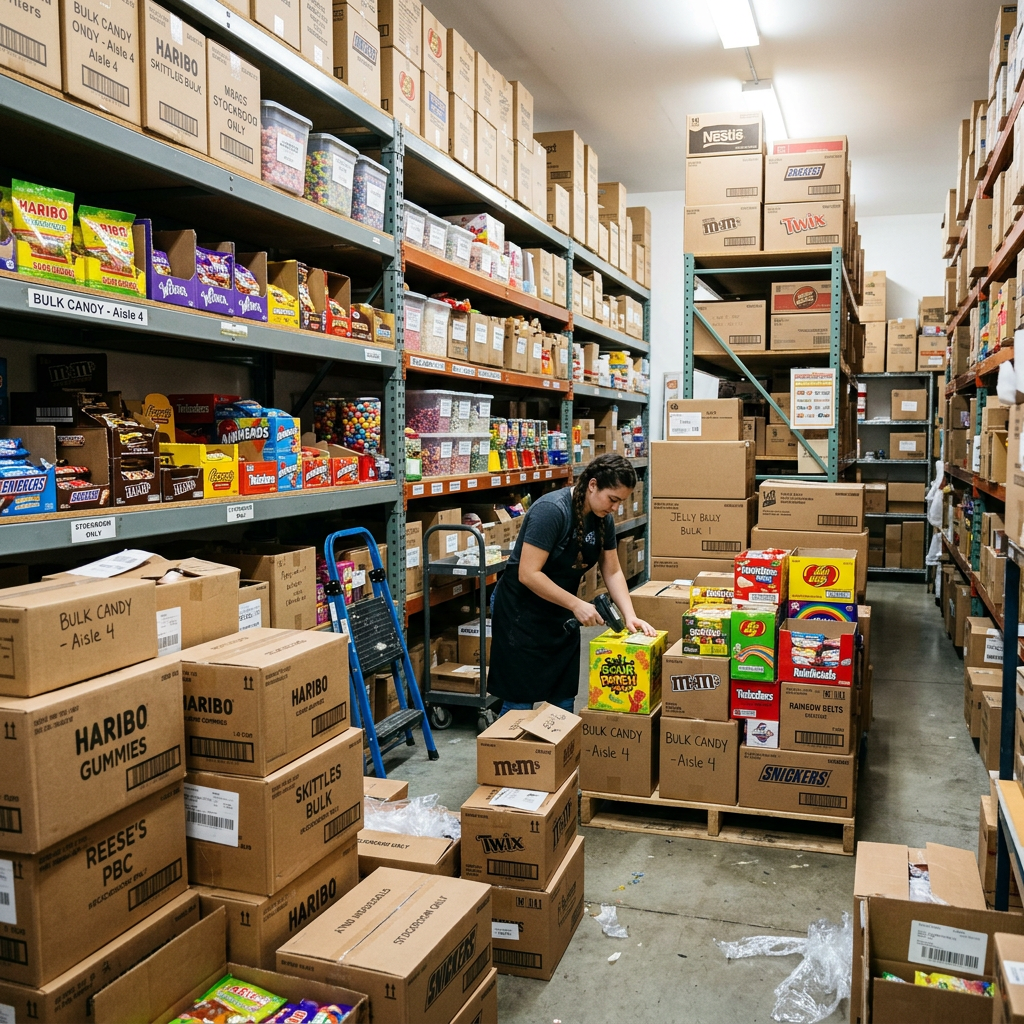
From an operational point of view, candy boxes are also practical heroes. They stack neatly, ship efficiently, and display beautifully. Their light weight keeps costs low while their sturdiness keeps delicate candies safe from melting, crushing, or sticking together. Retailers love them because they look good on shelves, and customers love them because they’re easy to carry, gift, and reuse. When form and function work this well together, packaging stops being an expense—it becomes a marketing asset.

Today’s market also rewards creativity and responsibility. More customers are looking for recyclable or biodegradable candy boxes, ones that show care for the planet as well as for presentation. A brand that uses eco-friendly packaging tells the world, “We make joy responsibly.” That kind of message earns loyalty. Whether it’s a boutique chocolatier or a growing confectionery company, sustainable packaging now carries emotional value—it feels modern, thoughtful, and honest.

At the end of the day, a candy box is more than a container—it’s the beginning of a story. It holds not just sweets but sentiment. It’s the bridge between the maker’s effort and the customer’s delight. The brands that treat packaging as part of the experience, not just a cost, end up building something priceless: connection. Because when people open a candy box and it feels like an act of care, they don’t just remember the chocolate—they remember how it made them feel. That’s what keeps them coming back for another taste, another story, another little box of happiness.

Why candy arrives messy

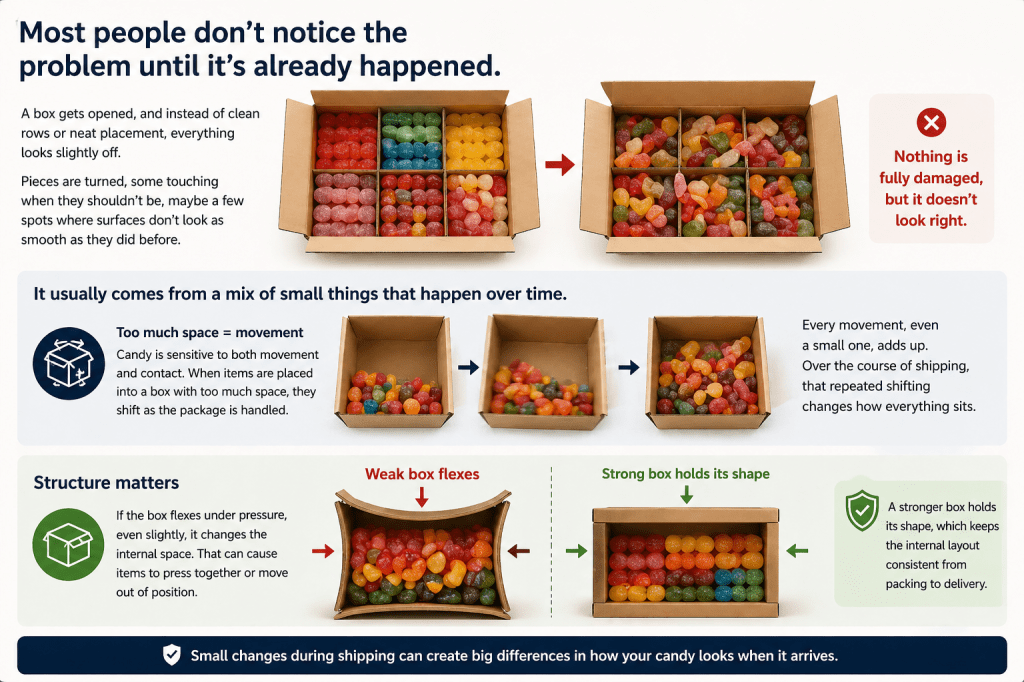
Most people don’t notice the problem until it’s already happened.

A box gets opened, and instead of clean rows or neat placement, everything looks slightly off. Pieces are turned, some touching when they shouldn’t be, maybe a few spots where surfaces don’t look as smooth as they did before.

Nothing is fully damaged, but it doesn’t look right.

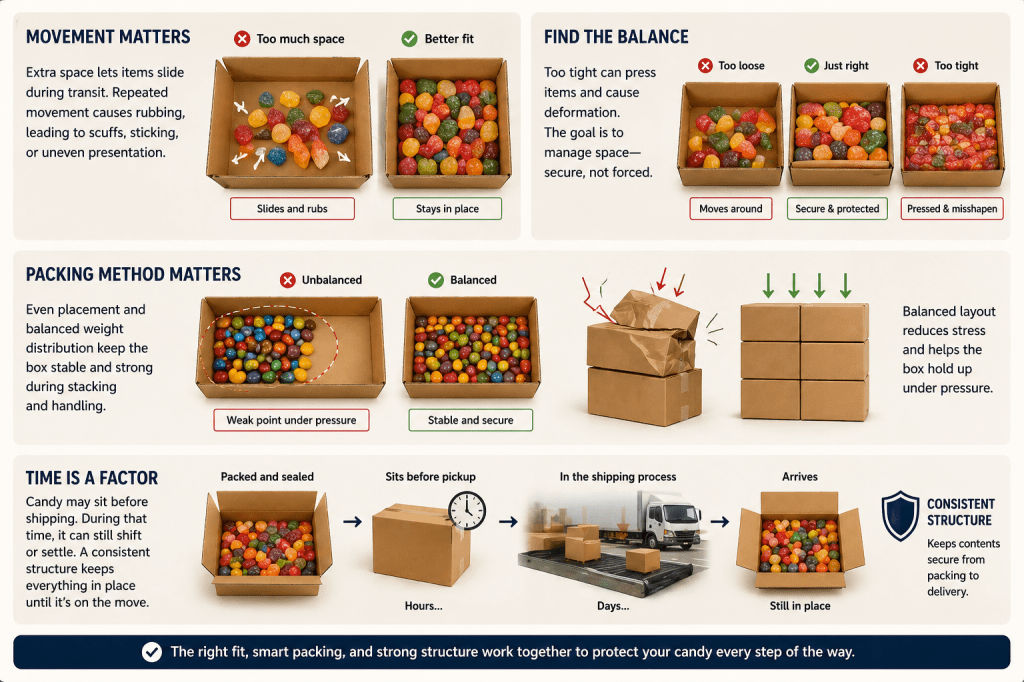
That usually comes from a mix of small things that happen over time. Candy is sensitive to both movement and contact. When items are placed into a box with too much space, they shift as the package is handled. Every movement, even a small one, adds up. Over the course of shipping, that repeated shifting changes how everything sits.

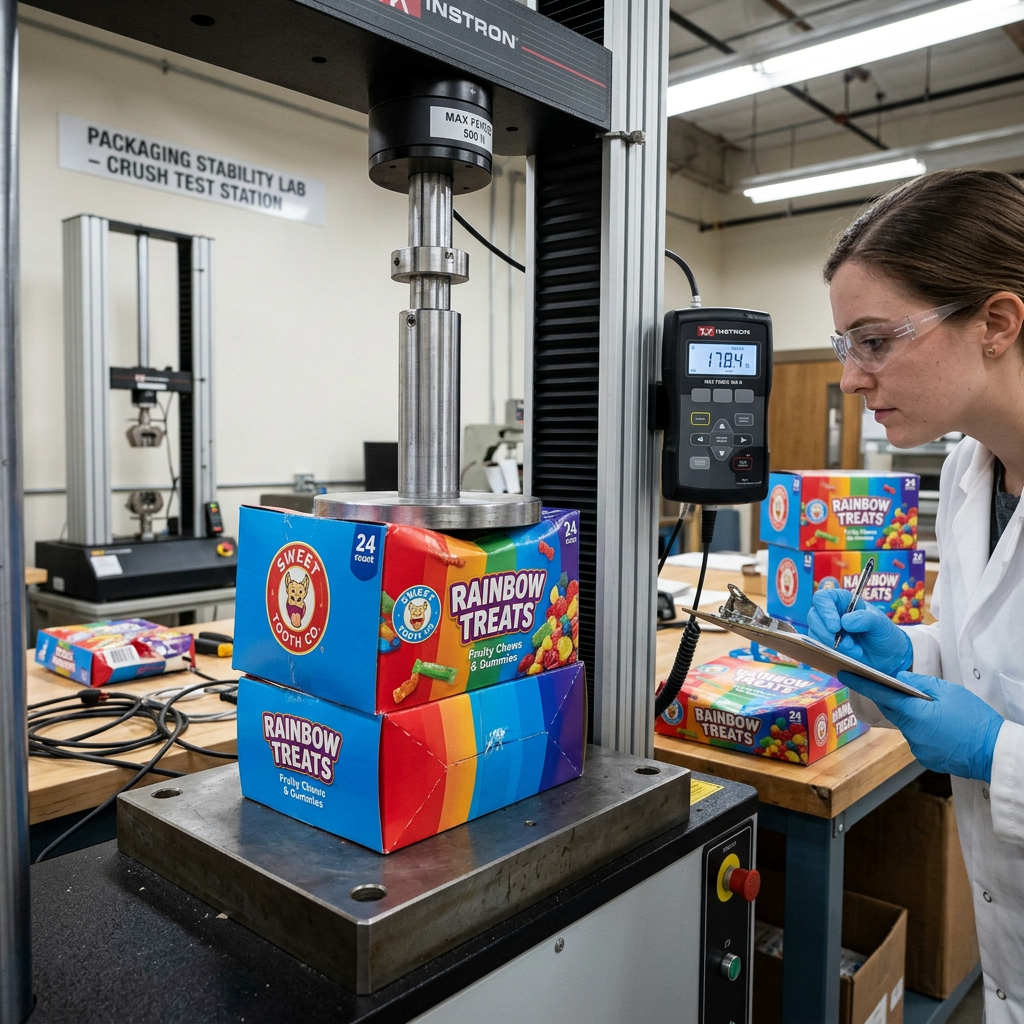
The structure of the box plays into this as well. If the box flexes under pressure, even slightly, it changes the internal space. That can cause items to press together or move out of position. A stronger box holds its shape, which keeps the internal layout consistent from packing to delivery.

Spacing is where a lot of these issues begin. Too much room allows movement. Too little room creates pressure. The goal is to find a middle ground where items sit comfortably without being forced together or left loose. When that balance is right, the contents remain stable even as the package moves through different stages of handling.

The way items are arranged also matters. If weight is uneven, certain areas of the box experience more stress. That stress can cause shifting or compression in one section while others remain unaffected. A more even layout reduces that risk and helps maintain the original placement.

Handling before shipping is another factor that often gets overlooked. Candy may sit for a period of time before it is packed or sent out. During that time, exposure to air and contact with other surfaces can affect its condition. Using a consistent process that limits unnecessary handling helps preserve the product before it even enters transit.

From the customer’s perspective, the condition of the candy when the box is opened sets the tone. A clean, organized presentation feels intentional and well prepared. A messy or uneven presentation can create hesitation, even if the product itself is still usable.

There are also operational benefits to getting this right. Fewer issues with presentation mean fewer returns and less time spent addressing customer concerns. This leads to a more efficient process and a more consistent experience overall.

Many candy boxes today are made with recycled materials that still provide the durability needed for shipping. This allows businesses to maintain performance while using materials more responsibly, without changing their packaging process.

Keeping candy from arriving messy is not about one single fix. It is about controlling movement, maintaining structure, and using the right amount of space. When those elements are managed properly, the product arrives in the same condition it was packed, and the experience remains consistent from start to finish.

Why Candy Needs Protection

Candy often looks small and simple, but many sweets are surprisingly delicate. A chocolate shell can crack under pressure, soft caramel can flatten, and sugar candies can chip if they hit something hard. Because of this, candy needs protection while it is stored, transported, and shared. Candy boxes provide a simple and reliable way to keep treats safe while also making them easy to present.

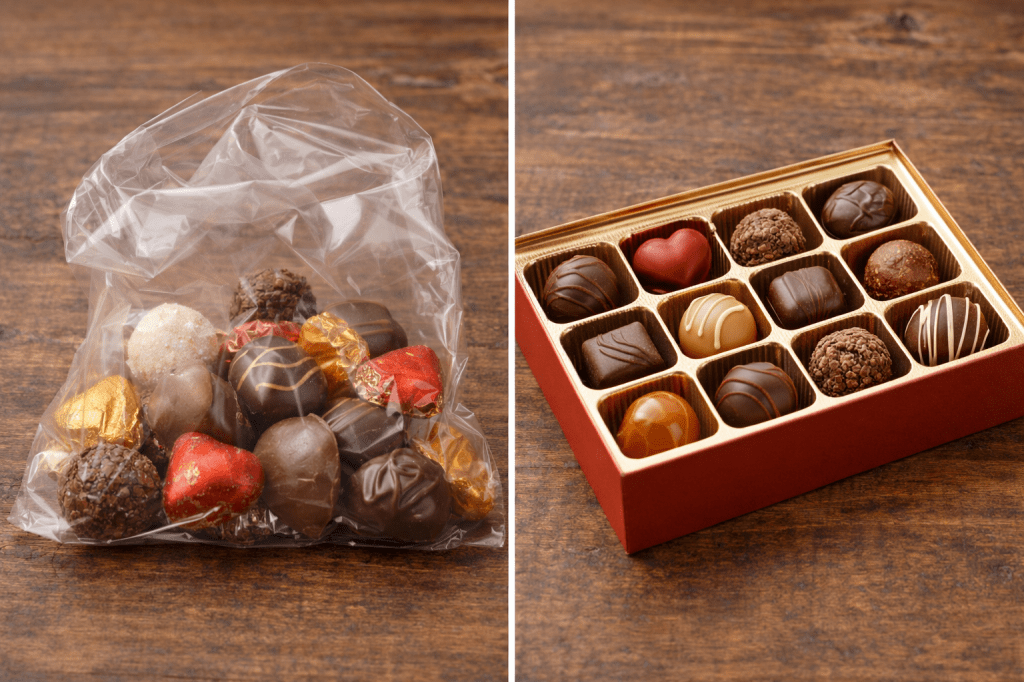
One of the biggest problems candy faces is movement. When sweets travel inside a loose bag, they slide around and bump into each other. This may not seem like a big issue at first, but over time those small bumps can change how candy looks and feels. A smooth chocolate coating may become scratched, or a soft candy may lose its shape. Candy boxes reduce this problem by holding the sweets firmly in place.

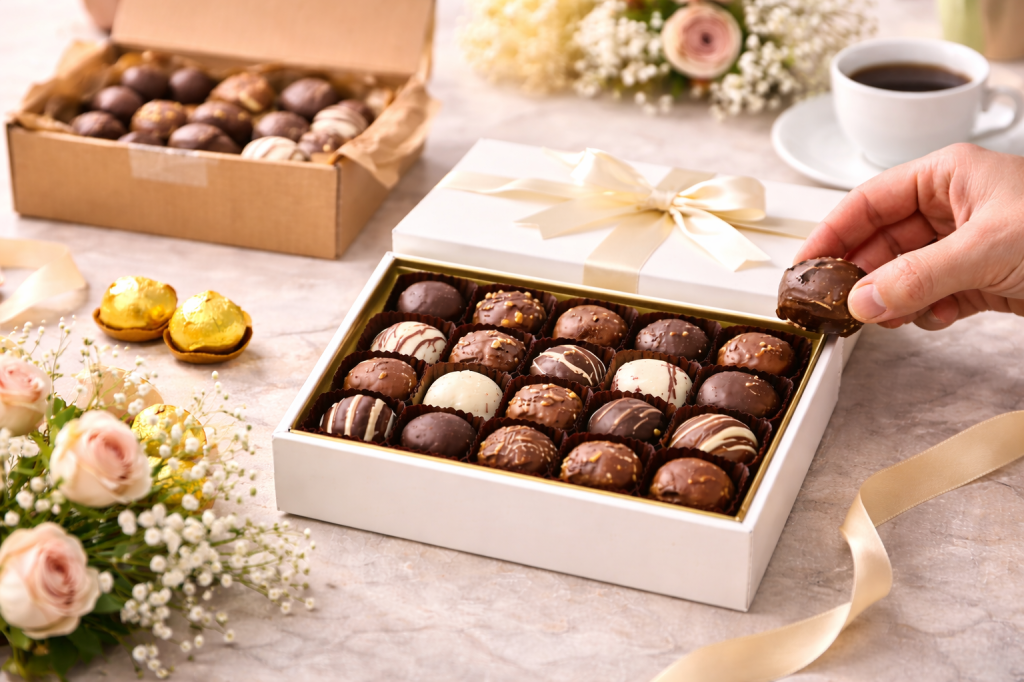
Many candy boxes are designed so each piece rests comfortably inside the container. Some boxes include inserts or trays that create small spaces for individual candies. When chocolates or other sweets sit in their own spots, they stay neat and organized. This makes a big difference when someone opens the box and sees rows of perfectly shaped treats waiting inside.

Temperature changes can also affect candy. While a box cannot stop heat entirely, it can provide an extra layer of protection compared to an open bag. The closed lid shields the candy from light and helps reduce exposure to warm air. This can help sweets stay fresh longer, especially when they are stored on shelves or transported between locations.

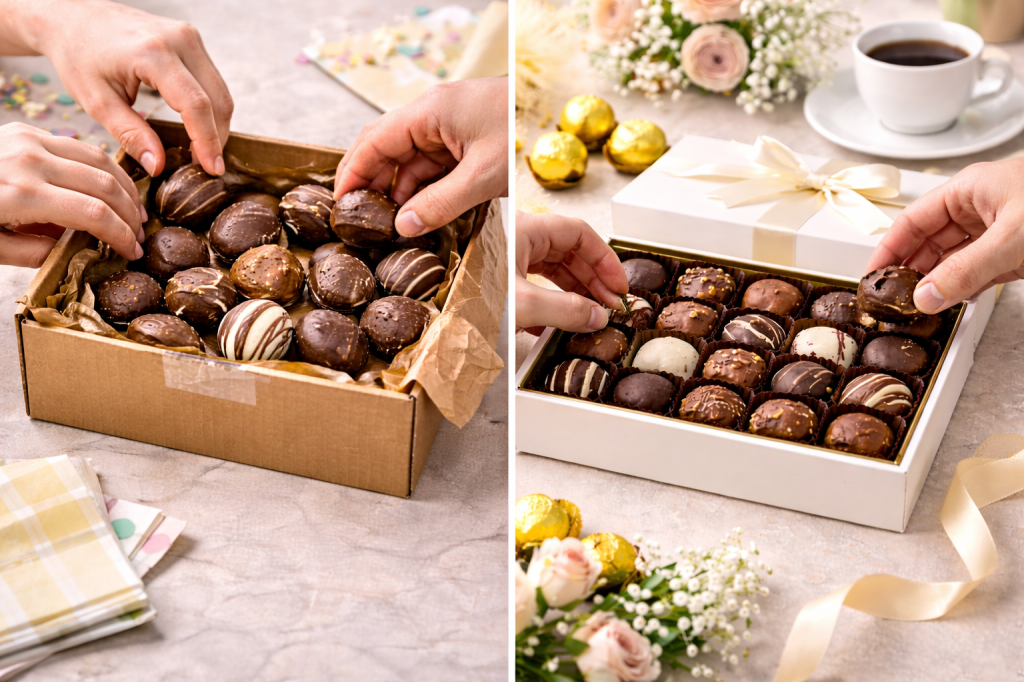
Candy boxes also help people create memorable moments. Imagine receiving a small box wrapped with colorful paper. You lift the lid and see a collection of shiny chocolates arranged carefully inside. The experience feels thoughtful and exciting because the candy is presented in a way that feels special. The box turns the candy into something that feels more like a gift than a simple snack.

Many small candy makers rely on boxes when sharing their creations. A person making homemade chocolate bark or caramel squares wants the treats to look as good as they taste. Placing those sweets into a candy box helps maintain their shape and appearance. When friends or family open the box later, the candy still looks inviting and fresh.

Candy boxes are also common during holidays and celebrations. Around Valentine’s Day, heart-shaped boxes filled with chocolates appear in stores and homes. During winter holidays, families often exchange boxes of sweets while visiting relatives. The box keeps the candy protected during travel, ensuring that the treats arrive ready to enjoy.

Fundraisers and school events sometimes use candy boxes as well. Groups selling sweets for a cause want the candy to look clean and appealing. A box provides structure and keeps the treats organized, which helps people feel confident about what they are buying.

Over time, the simple candy box has become part of the experience of enjoying sweets. It protects delicate treats from damage, keeps flavors separated, and creates a sense of excitement when someone lifts the lid. Instead of finding candy crushed at the bottom of a bag, people open a box and discover a neat collection of sweets waiting to be shared. That small difference turns an ordinary treat into something that feels carefully prepared and ready to enjoy.

Why Presentation Changes Taste

People rarely admit this, but candy tastes different depending on how it is presented. The ingredients do not change, yet the experience does. When candy comes from a box that feels careless, people expect less. When it comes from a box that feels thoughtful, people slow down and enjoy it more. Candy boxes quietly shape those expectations before anyone realizes it.

One question people often ask is why the same candy feels better in one setting than another. The answer is context. Candy handed over loose or poorly boxed feels casual, almost forgettable. Candy placed neatly in a well-fitted box feels deliberate. That sense of intention affects how people approach the first bite. They chew slower. They notice texture. They stay present. The box sets the tone without saying a word.

Another common question is how candy boxes affect gifting. When candy is given as a gift, the box becomes part of the message. A weak box can make the gift feel rushed, even if the candy is high quality. A solid box communicates effort. It says someone planned ahead. It says the moment mattered. That message lands before the box is opened, and it colors everything that follows.

People also ask how to avoid candy feeling “store bought” in a bad way. This often comes down to spacing and structure. When candy is crammed together, it feels mass-produced. When pieces have room and sit evenly, they feel selected. A box that supports that layout helps candy feel curated instead of dumped. That distinction matters, especially when candy is used for events or special occasions.

Another issue is how long candy stays appealing once opened. Some boxes look good for the first few seconds, then fall apart as soon as someone takes a piece. Gaps form. Candy tips over. The display feels unfinished. Boxes designed to hold their shape even as candy is removed keep the experience pleasant from start to finish. That consistency helps candy stay inviting instead of slowly losing appeal.

People also think about cleanliness, even if they do not say it directly. Candy that slides around feels touched, even when it is not. Boxes that keep candy in place reduce that perception. Each piece feels separate and fresh. That feeling matters more in shared spaces, where many hands are nearby. A box that maintains order helps people feel comfortable taking part.

There is also growing interest in packaging that feels sensible after use. Candy boxes that can be flattened, reused, or easily recycled leave a better impression than those that feel wasteful. When packaging feels simple and practical, it does not distract from the candy. It supports the experience instead of competing with it. That balance is important for people who care about what they throw away.

Choosing the right candy box is not about decoration or trends. It is about guiding how people feel from the first glance to the last piece. A good box protects shape, supports order, and signals care. When those elements come together, candy feels better to eat, even if the recipe never changes. Presentation does not just frame the candy. It changes how people experience it.