You ever hand someone a box of candy and before they even open it, you can tell what they’re thinking just by how it looks in their hands, because people notice the outside faster than anything inside.
If the box feels soft, looks a little uneven, or doesn’t sit right when they hold it, it already changes the moment, even if what’s inside is actually great.
That’s the part a lot of people overlook, because they focus on the candy itself, the flavor, the ingredients, how it tastes, but the first impression always comes from what they see and feel before they ever take a bite.
Think about it like this, if you pick up a box and it feels firm, clean, and holds its shape, there’s a certain expectation that comes with it, like whatever is inside was handled with care and thought all the way through.
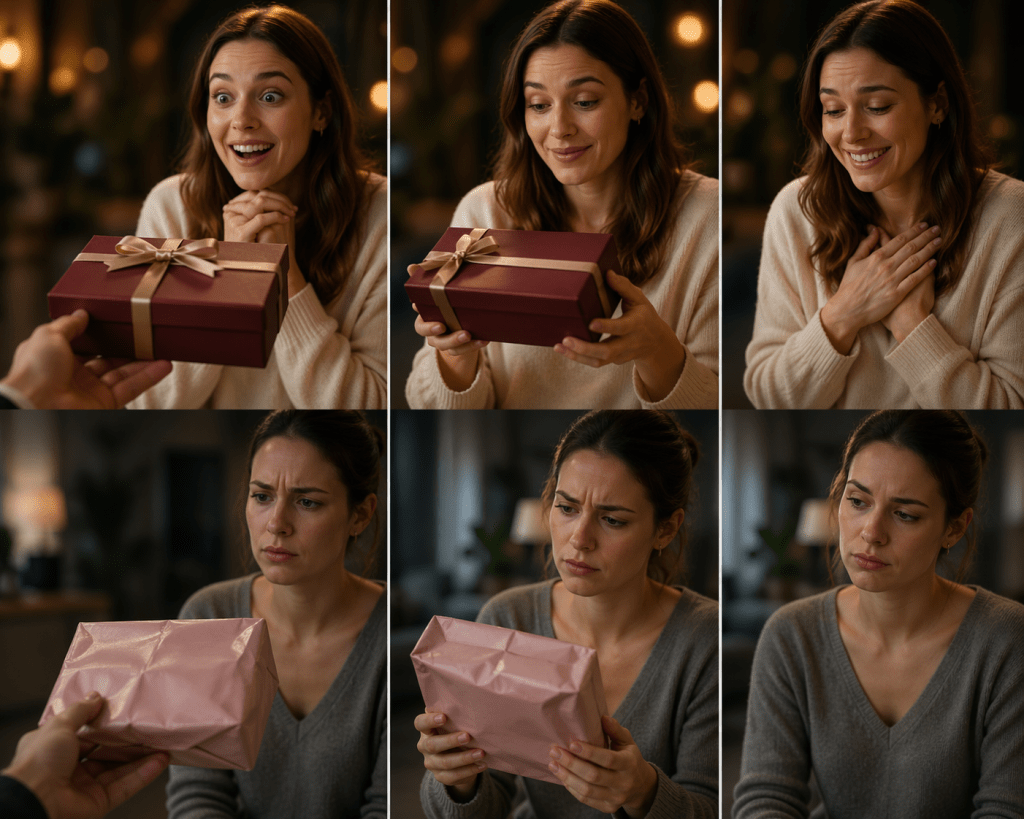
But if it bends a little when you hold it, or the lid doesn’t sit right, or the edges look worn before it even gets opened, it creates a different feeling, even if the candy inside is exactly the same.
That moment matters more than people think, especially when candy is being given as a gift, sold in a store, or shipped to someone who has never ordered before.
It’s not just about protection at that point, it’s about how the whole experience feels from the second someone picks it up.
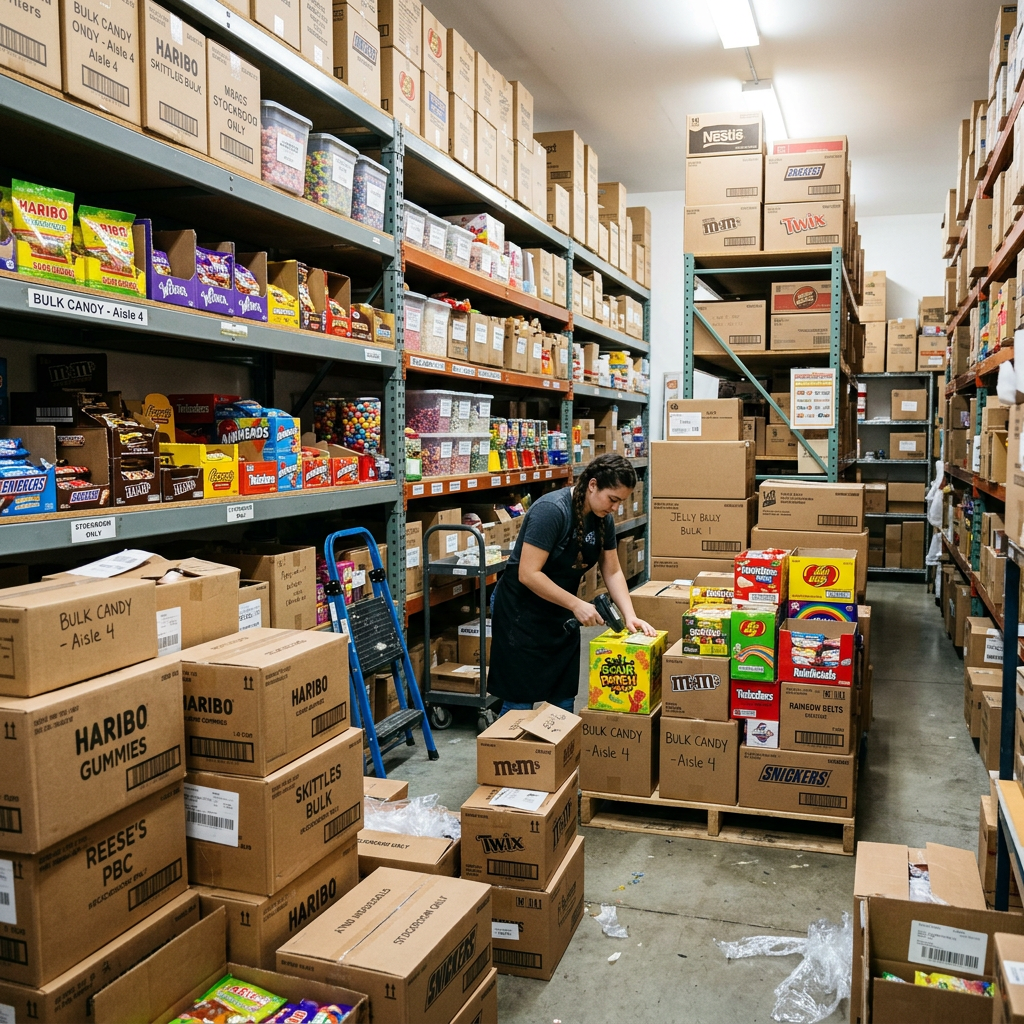
If you’ve ever packed candy for customers, you’ve probably seen this yourself, where two orders can have the exact same product, but one looks more put together simply because the box holds everything in place and presents it cleanly.
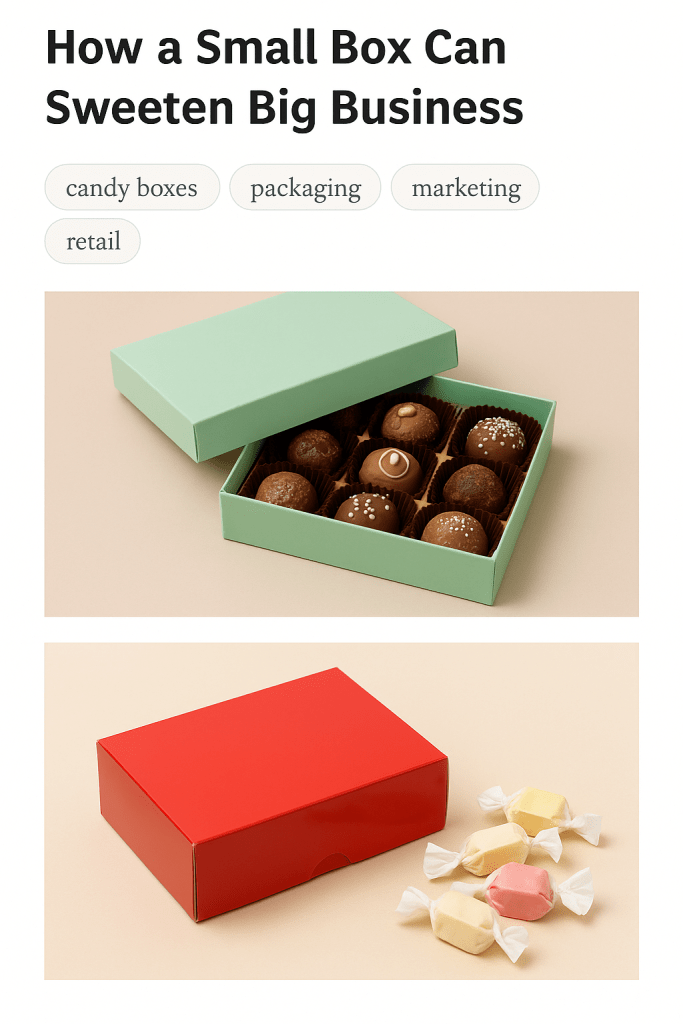
The pieces sit where they should, nothing looks out of place, and when the lid opens, it looks intentional, not like it shifted around during the trip.
That’s where the structure of the box starts doing more than just holding things, it starts shaping how the product is experienced.
Even small details, like how the lid closes, how the edges line up, or how the box stacks before shipping, all play into whether the final result feels put together or rushed.
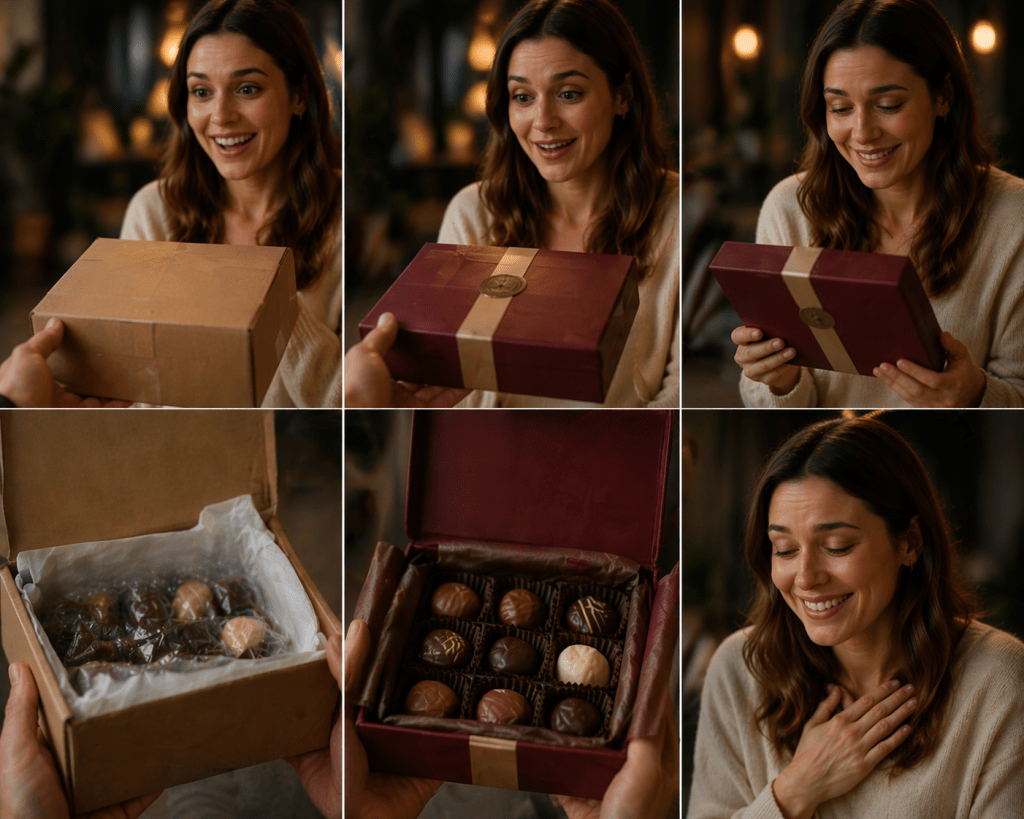
It also affects how confident someone feels when they hand it to another person, because no one wants to give something that looks like it barely made it through the trip.
Stronger candy boxes help remove that concern, because they keep everything in place from the moment it’s packed to the moment it’s opened, which means the presentation stays consistent instead of changing along the way.
This becomes even more noticeable over time, because once people start receiving products that look clean and hold up, that becomes the expectation, and anything less stands out right away.
For businesses, that can turn into repeat customers or lost ones depending on how that first impression lands, and for individuals, it can be the difference between feeling proud of what you’re giving or second guessing it.
Most people don’t think about the box until something goes wrong, but when it’s done right, it quietly improves every part of the experience without calling attention to itself.
And when the outside matches the quality of what’s inside, that’s usually when everything finally feels complete.
 Food Packaging Business