Why presentation changes everything

You ever hand someone a box of candy and before they even open it, you can tell what they’re thinking just by how it looks in their hands, because people notice the outside faster than anything inside.

If the box feels soft, looks a little uneven, or doesn’t sit right when they hold it, it already changes the moment, even if what’s inside is actually great.

That’s the part a lot of people overlook, because they focus on the candy itself, the flavor, the ingredients, how it tastes, but the first impression always comes from what they see and feel before they ever take a bite.

Think about it like this, if you pick up a box and it feels firm, clean, and holds its shape, there’s a certain expectation that comes with it, like whatever is inside was handled with care and thought all the way through.
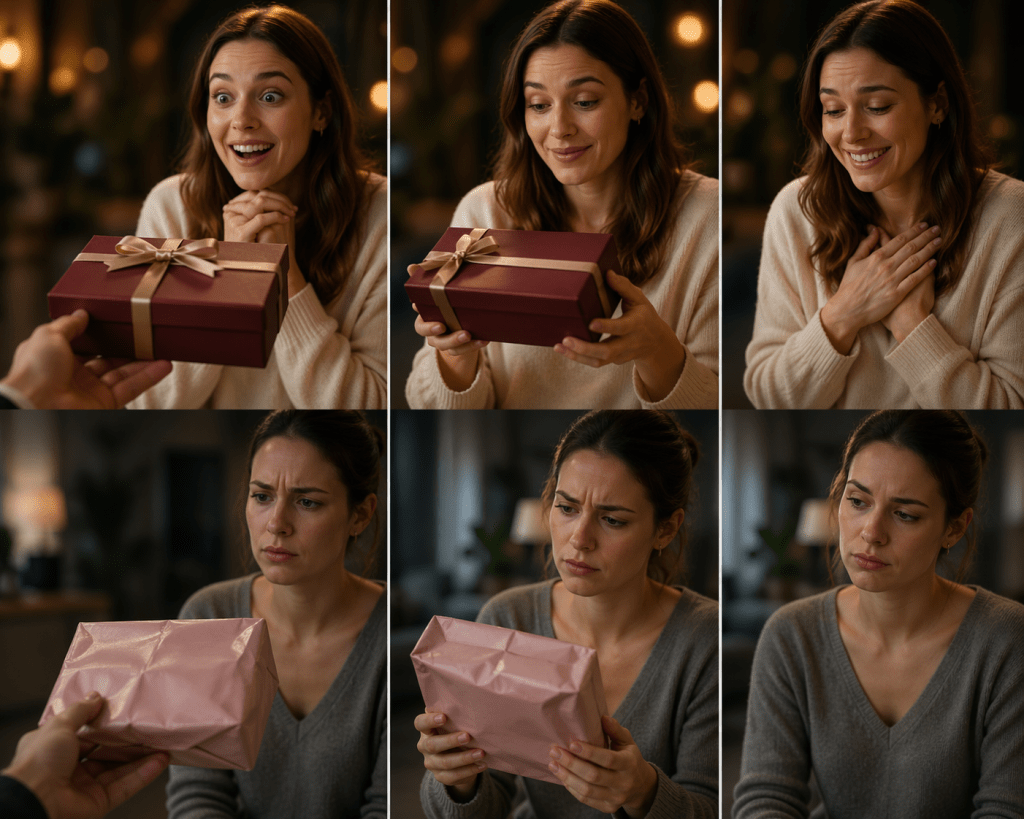
But if it bends a little when you hold it, or the lid doesn’t sit right, or the edges look worn before it even gets opened, it creates a different feeling, even if the candy inside is exactly the same.

That moment matters more than people think, especially when candy is being given as a gift, sold in a store, or shipped to someone who has never ordered before.

It’s not just about protection at that point, it’s about how the whole experience feels from the second someone picks it up.

If you’ve ever packed candy for customers, you’ve probably seen this yourself, where two orders can have the exact same product, but one looks more put together simply because the box holds everything in place and presents it cleanly.

The pieces sit where they should, nothing looks out of place, and when the lid opens, it looks intentional, not like it shifted around during the trip.

That’s where the structure of the box starts doing more than just holding things, it starts shaping how the product is experienced.

Even small details, like how the lid closes, how the edges line up, or how the box stacks before shipping, all play into whether the final result feels put together or rushed.
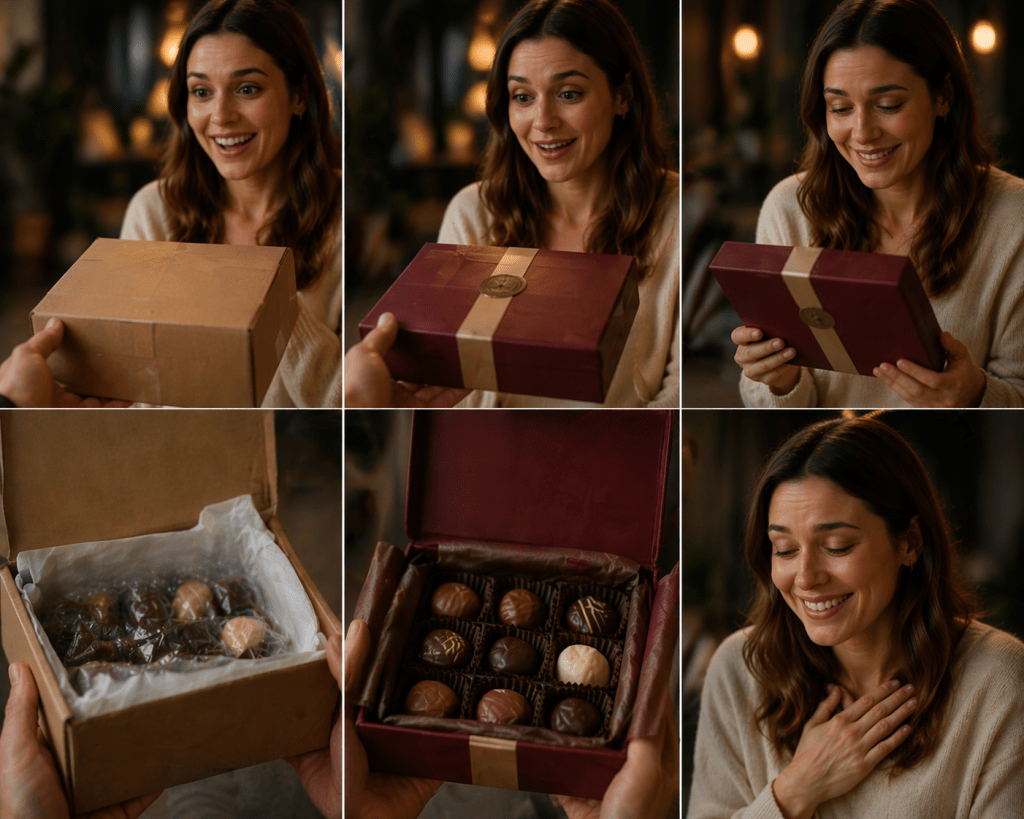
It also affects how confident someone feels when they hand it to another person, because no one wants to give something that looks like it barely made it through the trip.

Stronger candy boxes help remove that concern, because they keep everything in place from the moment it’s packed to the moment it’s opened, which means the presentation stays consistent instead of changing along the way.

This becomes even more noticeable over time, because once people start receiving products that look clean and hold up, that becomes the expectation, and anything less stands out right away.

For businesses, that can turn into repeat customers or lost ones depending on how that first impression lands, and for individuals, it can be the difference between feeling proud of what you’re giving or second guessing it.

Most people don’t think about the box until something goes wrong, but when it’s done right, it quietly improves every part of the experience without calling attention to itself.

And when the outside matches the quality of what’s inside, that’s usually when everything finally feels complete.
Why candy arrives messy

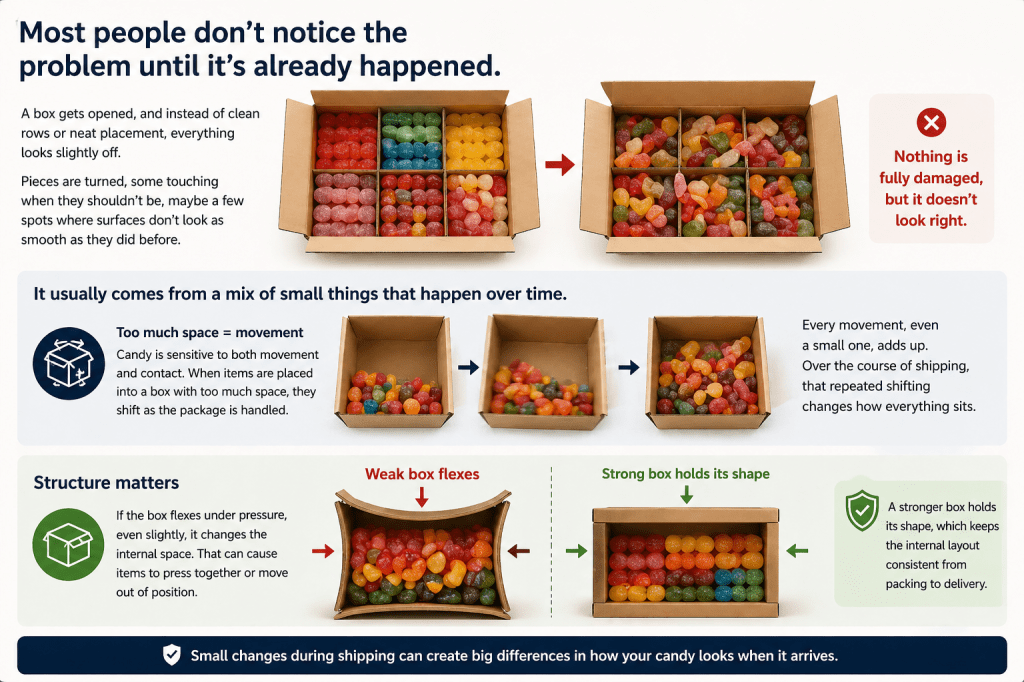
Most people don’t notice the problem until it’s already happened.

A box gets opened, and instead of clean rows or neat placement, everything looks slightly off. Pieces are turned, some touching when they shouldn’t be, maybe a few spots where surfaces don’t look as smooth as they did before.

Nothing is fully damaged, but it doesn’t look right.

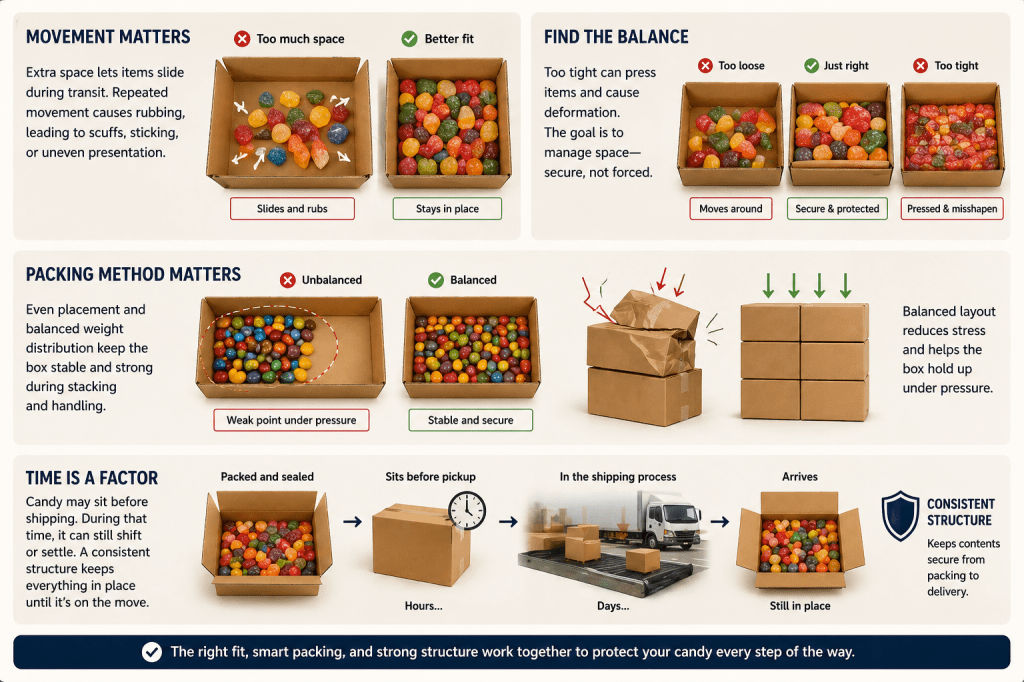
That usually comes from a mix of small things that happen over time. Candy is sensitive to both movement and contact. When items are placed into a box with too much space, they shift as the package is handled. Every movement, even a small one, adds up. Over the course of shipping, that repeated shifting changes how everything sits.

The structure of the box plays into this as well. If the box flexes under pressure, even slightly, it changes the internal space. That can cause items to press together or move out of position. A stronger box holds its shape, which keeps the internal layout consistent from packing to delivery.

Spacing is where a lot of these issues begin. Too much room allows movement. Too little room creates pressure. The goal is to find a middle ground where items sit comfortably without being forced together or left loose. When that balance is right, the contents remain stable even as the package moves through different stages of handling.

The way items are arranged also matters. If weight is uneven, certain areas of the box experience more stress. That stress can cause shifting or compression in one section while others remain unaffected. A more even layout reduces that risk and helps maintain the original placement.

Handling before shipping is another factor that often gets overlooked. Candy may sit for a period of time before it is packed or sent out. During that time, exposure to air and contact with other surfaces can affect its condition. Using a consistent process that limits unnecessary handling helps preserve the product before it even enters transit.

From the customer’s perspective, the condition of the candy when the box is opened sets the tone. A clean, organized presentation feels intentional and well prepared. A messy or uneven presentation can create hesitation, even if the product itself is still usable.

There are also operational benefits to getting this right. Fewer issues with presentation mean fewer returns and less time spent addressing customer concerns. This leads to a more efficient process and a more consistent experience overall.

Many candy boxes today are made with recycled materials that still provide the durability needed for shipping. This allows businesses to maintain performance while using materials more responsibly, without changing their packaging process.

Keeping candy from arriving messy is not about one single fix. It is about controlling movement, maintaining structure, and using the right amount of space. When those elements are managed properly, the product arrives in the same condition it was packed, and the experience remains consistent from start to finish.

Make It Gift Worthy

Have you ever bought candy as a gift and felt unsure the moment you picked it up? The flavor might be great. The brand might be trusted. But the box feels light. The lid shifts. The corners look soft. Suddenly it does not feel like a gift anymore.

When people buy candy for someone else, they are not just buying sweets. They are buying a moment.

Candy boxes designed for gifting need to do more than hold product. They need to create anticipation.

Start with structure. A box that stays perfectly square when held sends a message of strength. When the sides remain straight and the lid sits flush, the entire product feels intentional. If the lid wobbles or gaps show at the corners, that small flaw lowers confidence.

Now imagine handing someone a box that feels solid in their hands. It has weight. It opens smoothly. The lid lifts without sticking. That simple motion adds ceremony to the experience.

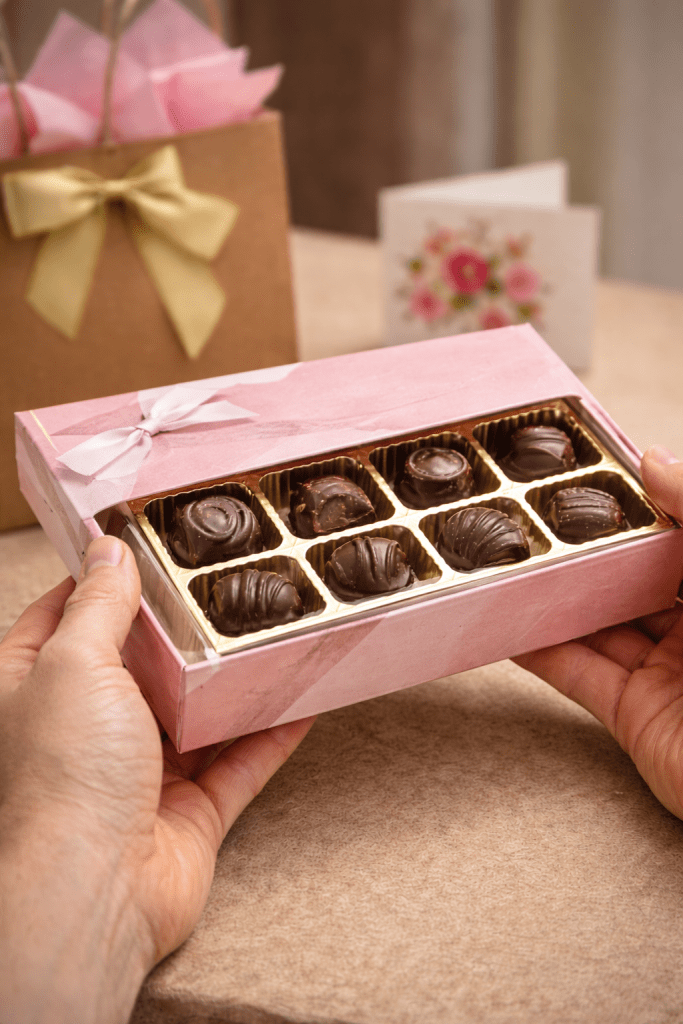
Interior layout matters as well. When pieces are spaced evenly and held in place, the first view inside feels organized and thoughtful. Inserts help keep each candy in its own space. No sliding. No crowding. Just clean presentation.

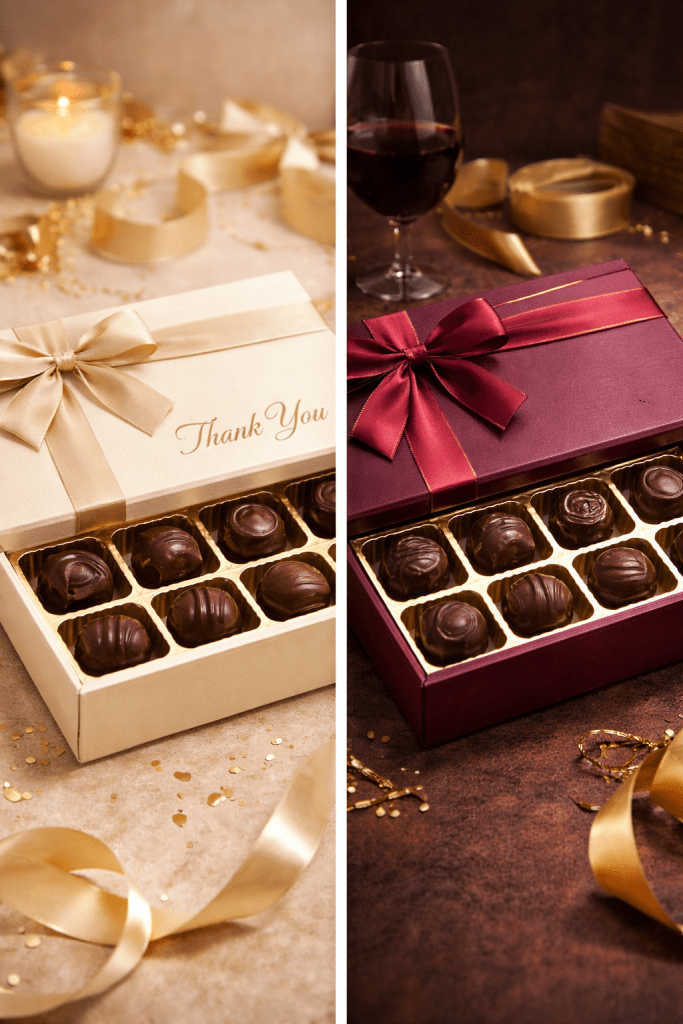
Think about texture too. A soft matte surface can feel elegant. A subtle sheen can catch light without looking flashy. Even without expensive details, a well-chosen finish makes the box feel special.

Color choice shapes emotion. Soft creams and warm reds often feel celebratory. Deep tones feel rich and indulgent. The color should match the story your brand wants to tell.

Protection during travel is critical. Gift items are often shipped across states or even countries. Strong candy boxes combined with proper outer packaging prevent crushed lids and cracked pieces. When the product arrives looking perfect, the giver feels proud.

Picture a customer placing your candy on a holiday table. The box stands upright. It looks ready to present. Guests admire it before opening. That small moment turns packaging into part of the celebration.

Ask clear questions when selecting packaging. Will this box hold up during stacking? Does it protect delicate pieces? Does it feel worthy of being handed to someone special? Does it match the price point we want to charge?

Gift-worthy packaging supports premium positioning. When the outside feels refined, customers are more comfortable paying for quality.

Candy is often shared during meaningful occasions. Birthdays. Anniversaries. Holidays. The box becomes part of the memory.

When designed thoughtfully, candy boxes elevate simple sweets into something memorable. They transform a purchase into a presentation. And that presentation can be the reason someone chooses your brand again the next time they want to give something special.

Unlocking the Versatility and Presentation Power of Modern Candy Boxes

Candy boxes are one of the most versatile and customer-pleasing packaging options available to retailers, gift shops, bakeries, and specialty brands. While the name suggests they are just for sweets, today’s candy boxes have expanded far beyond chocolates and truffles. They have become a practical, aesthetically appealing solution for showcasing small products, elevating brand presentation, and improving the overall customer experience. Candy boxes play a meaningful role in how businesses package their items, and understanding how to use them well can enhance both product protection and the perceived value of what’s inside.

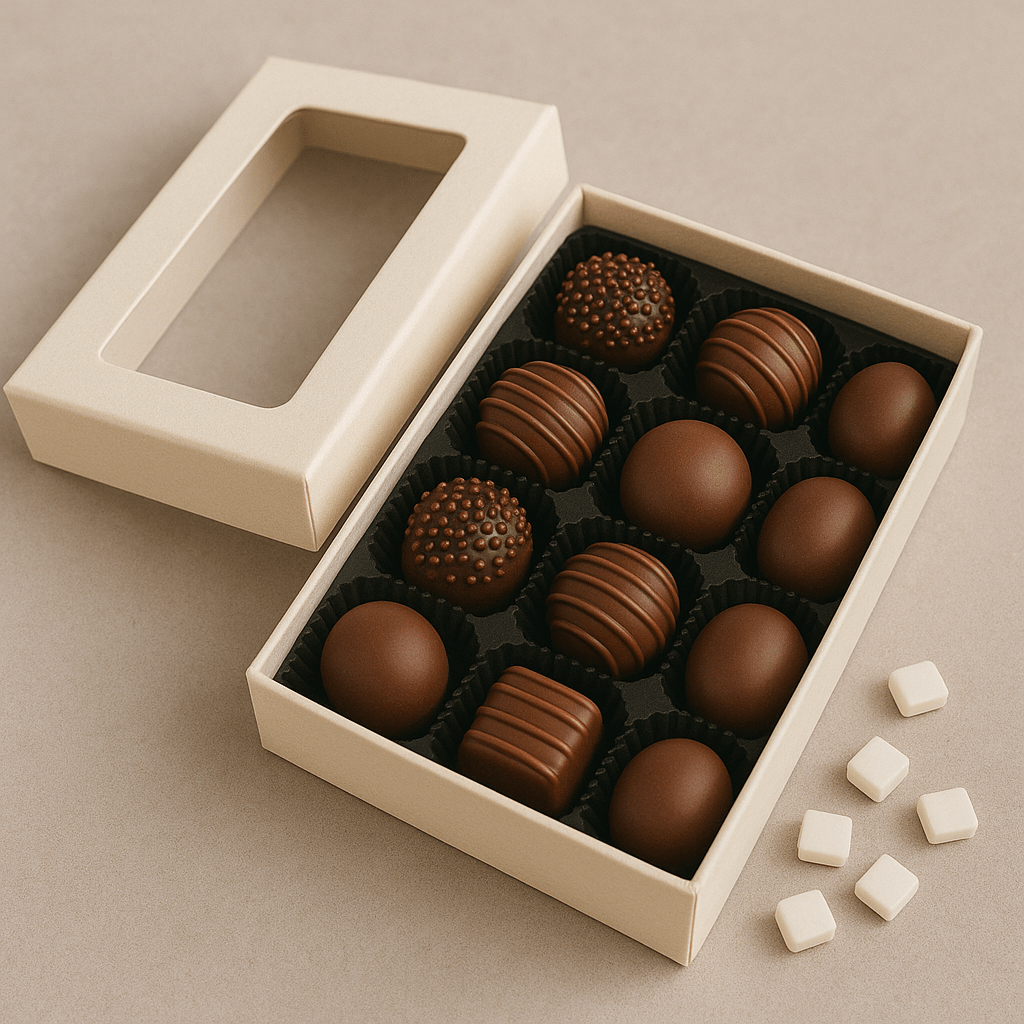
One of the strongest benefits of candy boxes is their visual appeal. The clean lines, sharp edges, and structured feel make them naturally suited for products that customers want to display, give as gifts, or enjoy as an indulgent treat. Many customers shop with their eyes first, and candy boxes give businesses an easy way to catch that attention. The ability to choose colors, lid styles, and box shapes lets brands create packaging that reflects their personality. A candy store may choose bright colors and window-front boxes that show off an assortment of truffles, while a luxury boutique might prefer muted tones or a clear-lid candy box for small accessories or favors. The flexibility means candy boxes can fit into nearly any style of branding.

Another key advantage is the product protection candy boxes offer. Even though they are lightweight, their structure keeps delicate items from being crushed or shifting during transport. Small baked goods, caramel squares, handmade soaps, bath melts, mints, and jewelry can all benefit from the snug, supported environment a candy box provides. Candy boxes are designed to stay firm while still being easy to open, meaning customers get a satisfying unboxing experience without struggling to access the contents. This combination of protection and convenience makes candy boxes a dependable everyday packaging option.

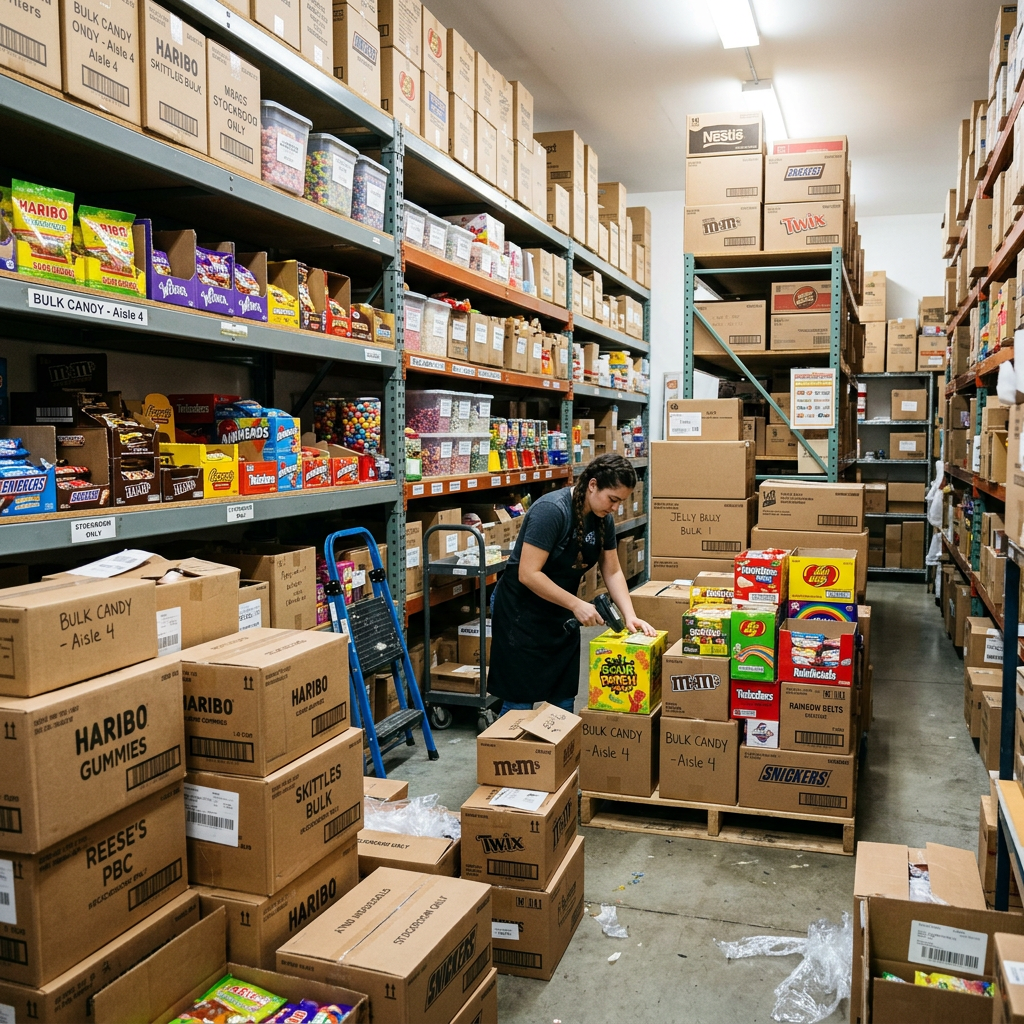
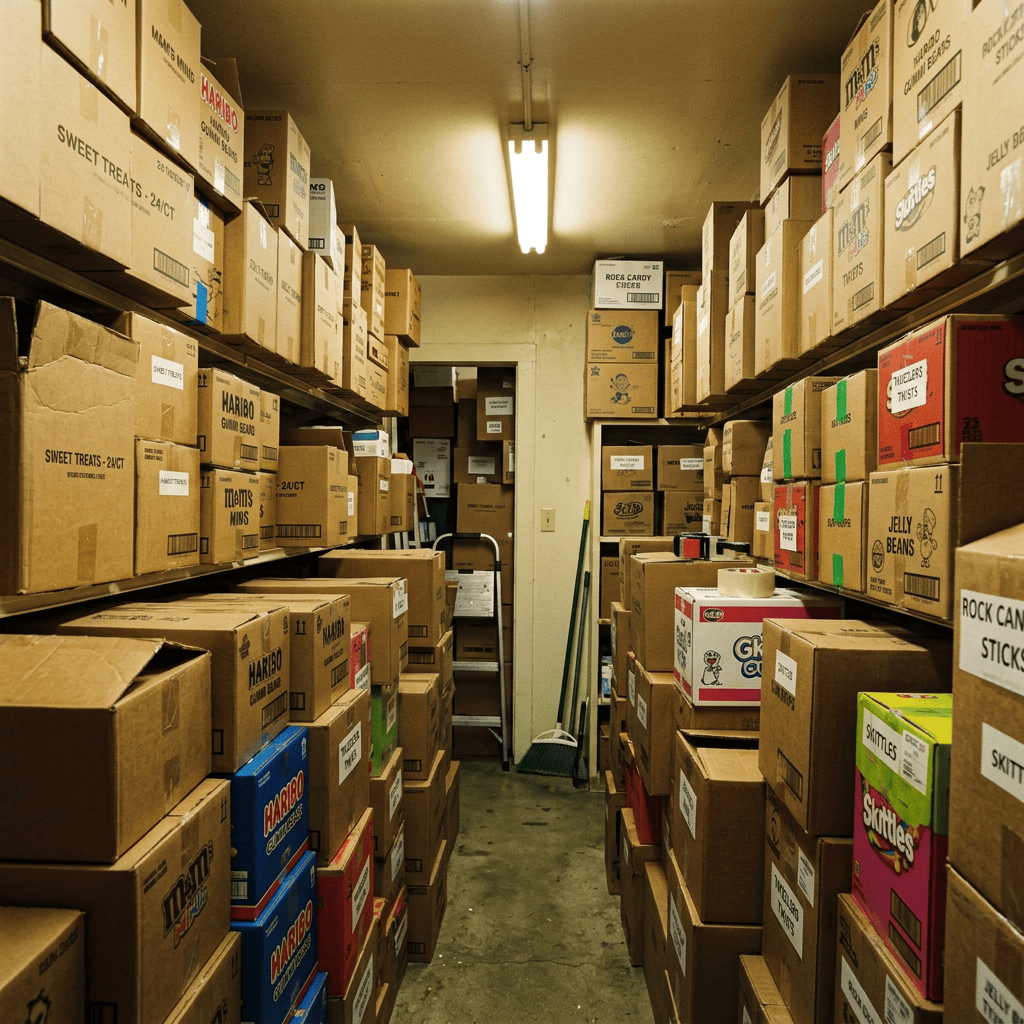
Candy boxes also help businesses simplify their inventory because they can be used for multiple product categories. Instead of stocking deep trays, specialty inserts, and various custom packaging shapes, candy boxes can step in as a multi-purpose solution that covers a wide variety of small goods. Their stackability saves back-room storage space and makes it easier for employees to organize supplies. When packaging is simple to manage, operational efficiency naturally improves.

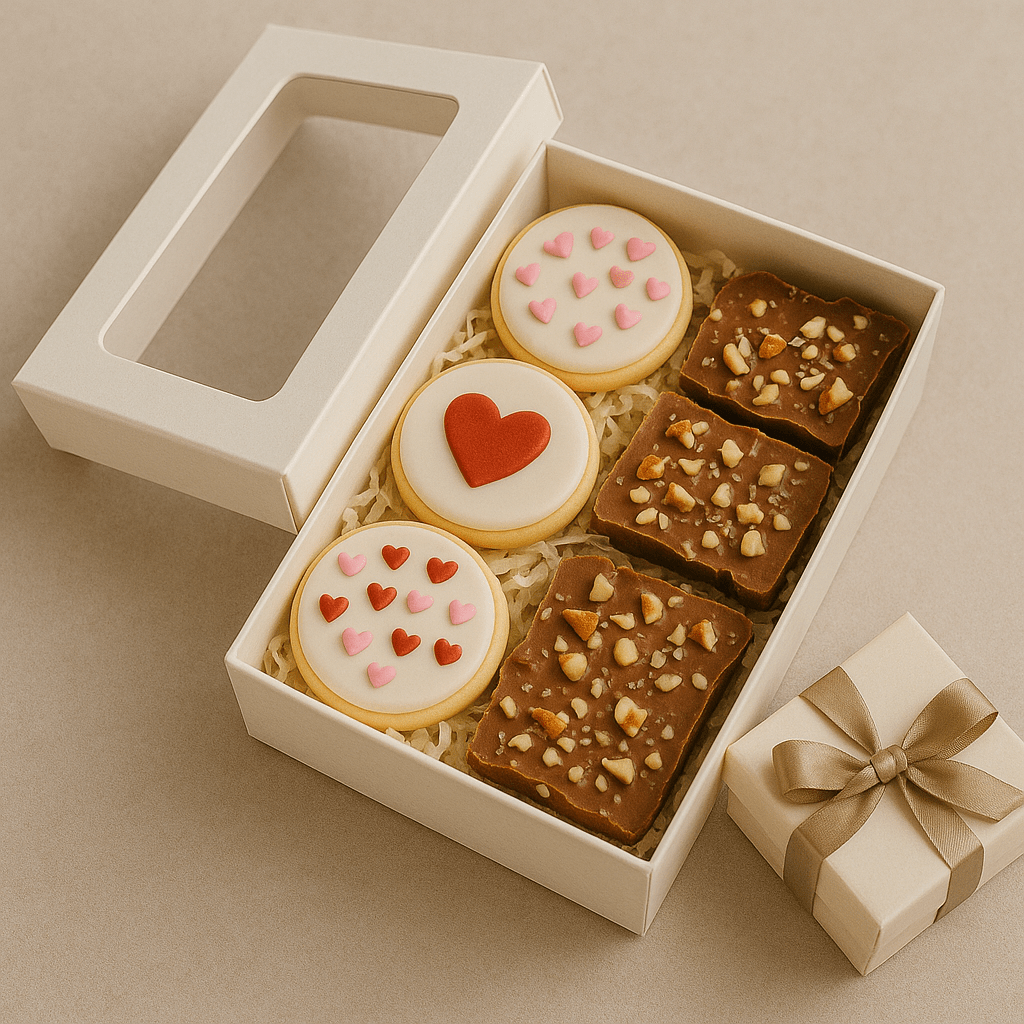
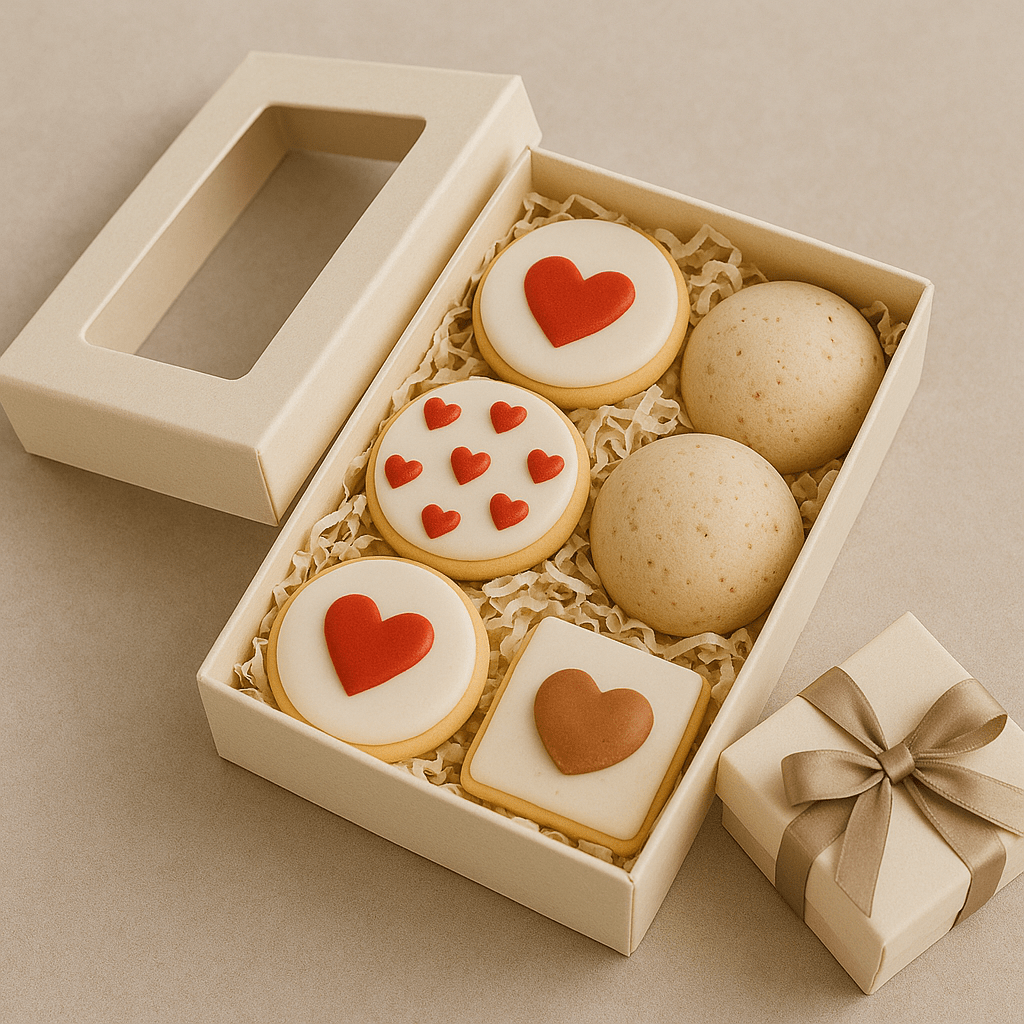
For businesses offering seasonal products, gift sets, or limited-edition items, candy boxes are particularly useful. They can be dressed up with ribbons, branded stickers, custom labels, or colored tissue paper to instantly transform into holiday or event-themed packaging. Many companies lean on candy boxes during busy seasons like Valentine’s Day, Mother’s Day, or Christmas because they allow fast assembly while still delivering a polished, premium look. Having a reliable packaging choice that can be quickly customized for any event helps businesses stay efficient during high-traffic periods.

Environmentally conscious customers also appreciate recyclable candy boxes. Many are made from paperboard, which is widely recyclable and a preferred material for customers who want packaging that feels responsible without sacrificing aesthetics. By choosing recyclable candy boxes, businesses can support sustainability goals and appeal to buyers who care about minimizing waste.

Overall, candy boxes continue to be a valuable packaging tool for any business that needs a balance of visual appeal, product protection, and practicality. Their ability to elevate presentation while remaining functional and cost-effective makes them a strong choice for retailers of all sizes. As customer expectations rise and presentation becomes a larger part of the shopping experience, candy boxes help businesses deliver packaging that reflects care, attention to detail, and polished branding.