If you buy candy boxes based on guessing, there’s only two ways your store could go wrong. Either you won’t have enough boxes to sell all of the candy you’re selling this week (and lose a lot of potential income), or you’ll have too many and waste money buying them because they’re just sitting around in your stockroom. With a simple inventory before ordering, you can avoid having to deal with either of these problems. It doesn’t take an exact science to know how many candy boxes to buy; it simply takes taking some basic counts of numbers that you probably already have today.
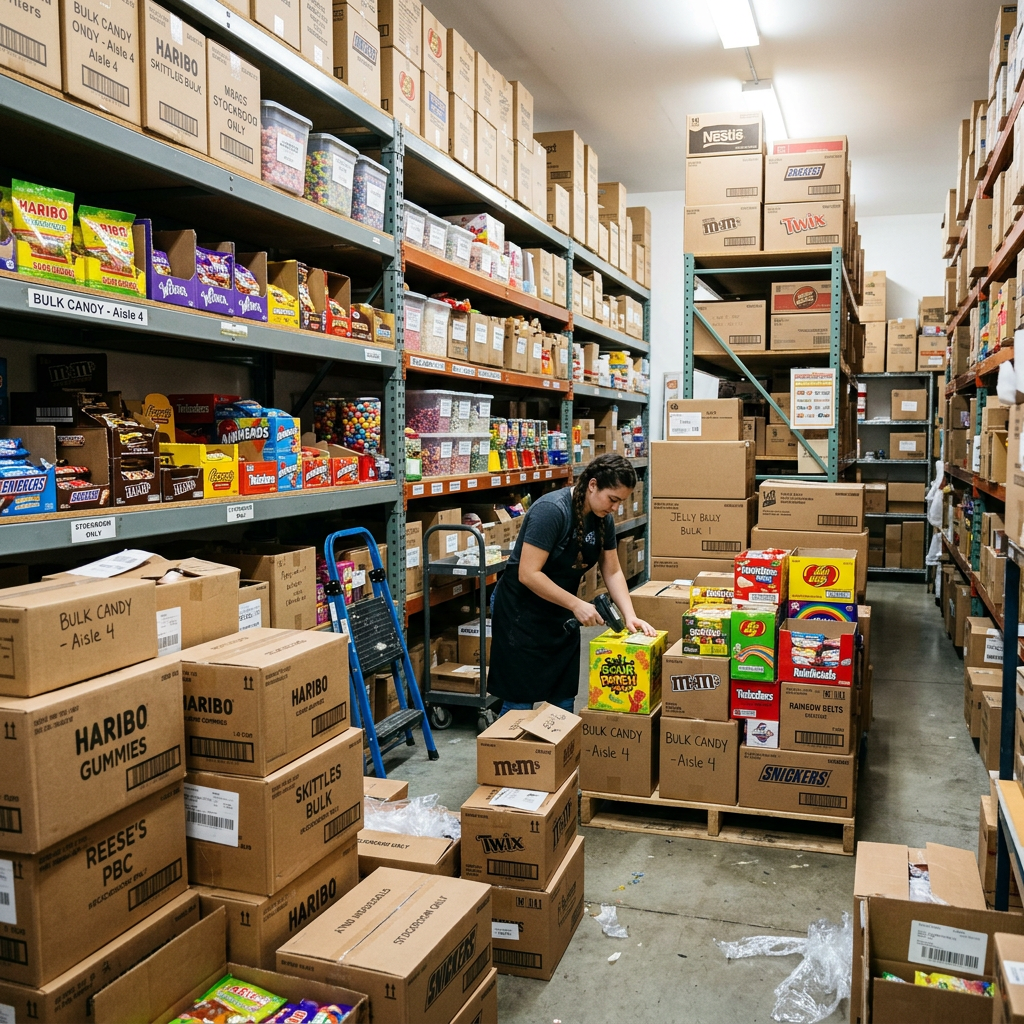
First, start with the number of candy boxes you’ve sold in the past during a similar time frame. If you’re going through a heavy wedding rush in the Spring, compare it to another Spring wedding rush rather than comparing it to a slow week in Winter. If you don’t have a prior sales list of candy boxes, count all of your firm orders and put your possible orders in a second group. By keeping the two groups separated, you keep yourself from making a hopeful guess into something that looks like a sure thing.
Not every candy order uses the same size box. Some customers may purchase ten small favor boxes while others purchase one large gift box. Create a separate column for each different type and color. Next, enter the number of each box that you have firm orders for. This process can help identify a shortage of packages that would otherwise remain hidden if every package was listed as part of one single total.
A little extra inventory can provide protection against things such as bent boxes, mistakes with packaging, and last-minute orders. How much is the right amount depends on the specific job at hand, the time of year, and how quickly new boxes can get to your location. For example, a store that is close to their supplier may require less excess inventory than a business that must wait for weeks for additional supplies to be delivered. Instead of randomly selecting an amount, review how many unused or damaged boxes were remaining after the last busy period.
You must also consider the date of your order. Determine when your boxes are due to be delivered. Leave adequate time for inspection of the boxes before the packing begins. Delivering boxes on the day of a big event does not give employees sufficient time to resolve issues. On the other hand, delivering boxes early allows employees to address any issues but boxes should not be delivered so far ahead of time that they create a storage issue for months.
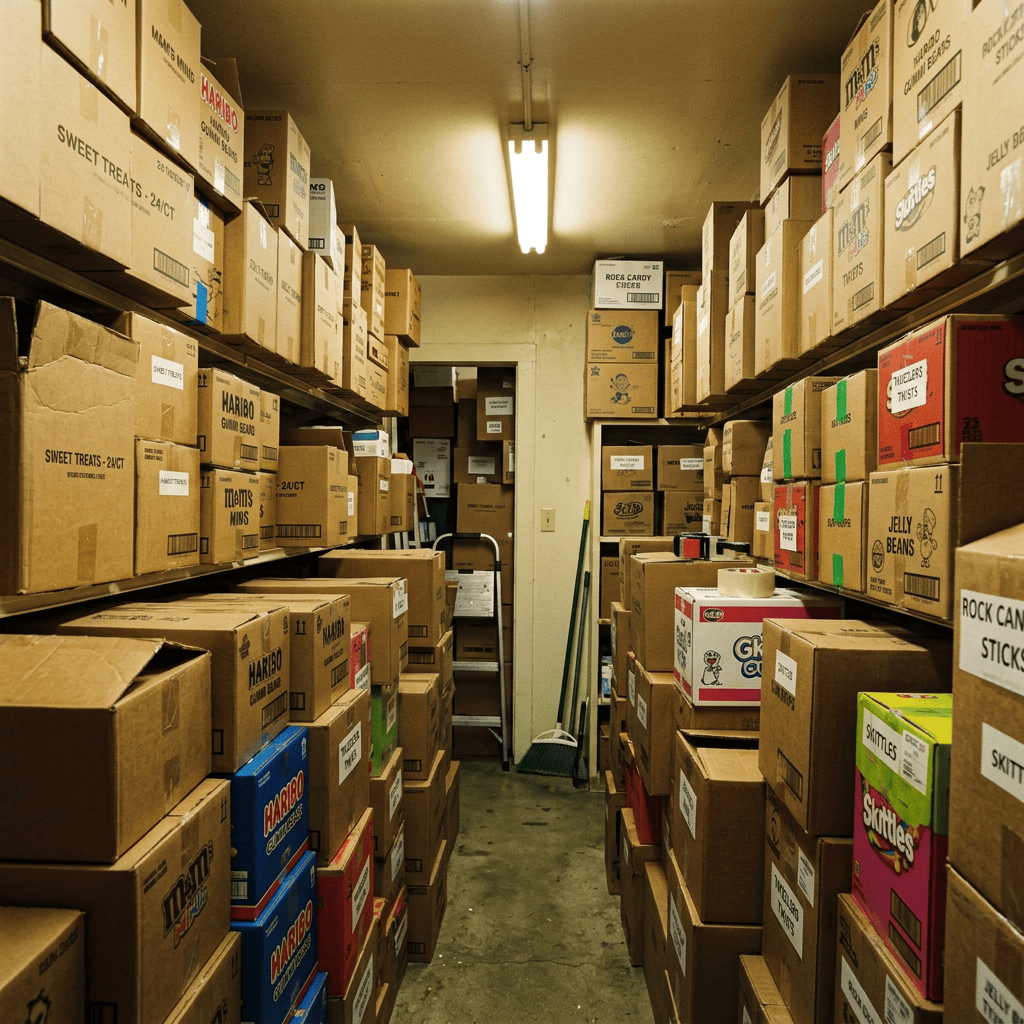
Just because you save money on an extremely large quantity of candy boxes does not mean you actually saved money. Even though the price per box may appear cheap, it may end up being expensive once you add up all of the space taken by unwanted boxes. When comparing costs, include the entire cost of purchasing a large quantity of candy boxes verses the probable usage. For instance, plain candy boxes can be reused for multiple events where as colored or printed candy boxes related to holidays can be difficult to reuse.
Once the event has ended, document everything while it is still fresh. Record what happened with regard to your order including how many candy boxes were purchased and shipped versus how many were filled, damaged, or remained leftover. Additionally, include a notation regarding any rushed orders or missed opportunities. Documenting your experience in detail will greatly assist you in making better decisions in regards to future purchases. Carefully developing plans for your candy boxes eliminates idle activity and ensures funds are available for other purposes and assists the packing team when customer deliveries occur.
 Food Packaging Business