Distinguishing With Special Packaging

With the fragmented way people engage with businesses these days, the packaging is more important than before. So here are a few tips to help you succeed with your packing.

Go on a Market Tour

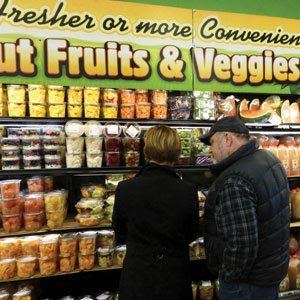
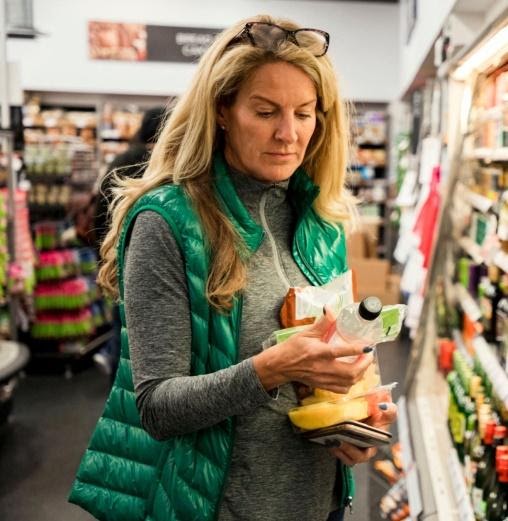
Visit the shops where your product will be presented. Examine the goods that will be exhibited on the racks wherever your goods will be exhibited. What do they do to get people’s attention? Make use of that distinction.

Do they have a strong preference for a certain color? Choose a hue that contrasts with theirs. Is a serif font used? Do they utilize product photos on the package?

Take photographs of all the products, racks, and the entire store using your smartphone. Learn everything you can about their product bundles, even what they don’t even do. Whatever they express, the colors they utilize, the typography they implement, and the pictures they develop. Sometimes they do certain things correctly, but you get the impression they aren’t presenting the entire picture. Take advantage of the differential once more.

Then, Look For Ideas

Extend your retail visit by exploring more shops and goods. Your goods may not even eventually end up in other retailers. Is there anything that catches your eye? What exactly was it? What about the color? What about the shape? What is the item’s structure? Perhaps it was retail level signs or an aisle display?

When you’ve had enough of the shop visits, browse online and read some packing blog posts. There are some fantastic sites that promote the profession of package creation and features samples of a wide range of product packing.

You might not be wealthy enough to afford all of these packing options, but they should get your imagination going. Among the first aspects, your consumers will observe when unpacking your product is the exterior decor. If you own an e-commerce website, you might need to start by looking for packaging that fits the color(s) of your business. In addition, by personalizing basic colored packaging, expenses may be reduced significantly.

Thank you postcards are arguably the most popular form of communication included in e-commerce packages. They serve as a reminder to your consumers that you appreciate their support and can assist to enhance people’s perspectives of your company.

Examine Your Products from an Unusual Perspective

You could be too connected to your object, having fostered it from the seed of a concept to the finished result in your hands. What distinguishes your products that packing can enhance? Is it the design or the development? Should something be enclosed in a box or placed directly in a plastic case? Is the size one-of-a-kind? Can the packaging reinforce the concept of a one-of-a-kind size by employing its distinctive folds or unusual printing?

Several items nowadays use a particular covering on their packaging to make it seem comfortable. Do not rule out any options, even if they’re little and invisible, such as the covering. It is more about how you promote yourself.

Even if you’re providing services on the sideline to earn some extra cash or operating a full-fledged e-commerce shop, the packing you choose may have a significant influence on how the goods you ship are regarded. Clients’ prospective purchasing behavior has been proven to be influenced by package design.

In Terms Of Appearance, How Will The Buyer Engage With Your Product?

Various packaging is designed to increase the perceived value of the product. Take into account this: what happens now that the consumer has purchased your commodity? Take off the outer package, revealing your goods in custom-created inserts with brand language that validates why they purchased your stuff in the first place.

That’s not simply a sleek design from the outside with an uncoated Kraft interior when people unwrap it! No, it extends from how the object is kept in position to the connectors being precisely put and the instruction pamphlet hidden beneath, and even it has like a ‘built-in place’. You are not present to praise them for their purchase, but your box is. Create something of it, and your consumers will respect you.

Collaboration with a Developer

Exactly as you are enthusiastic regarding your goods, some people have built a career out of product packaging. When you’re willing to take your business to new heights, think about hiring a packaging expert. They put their expertise with goods similar to yours or others to focus on your task. There is no shortage of evidence demonstrating how firms have utilized marketing strategies to gain and maintain their position at the top of the consumer goods sector.

Why candy arrives messy

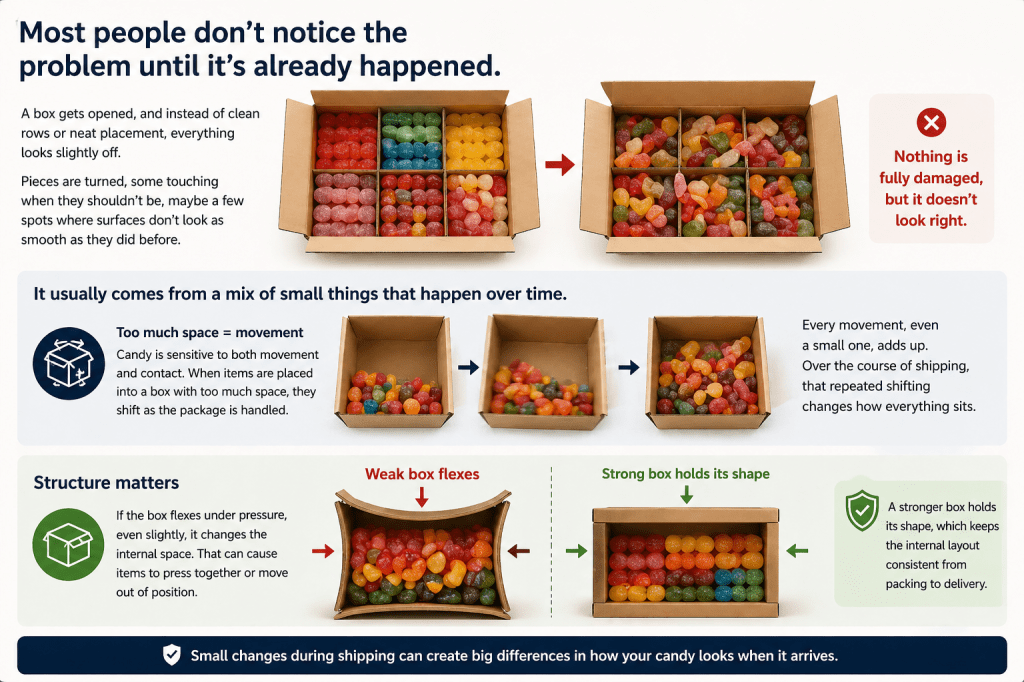
Most people don’t notice the problem until it’s already happened.

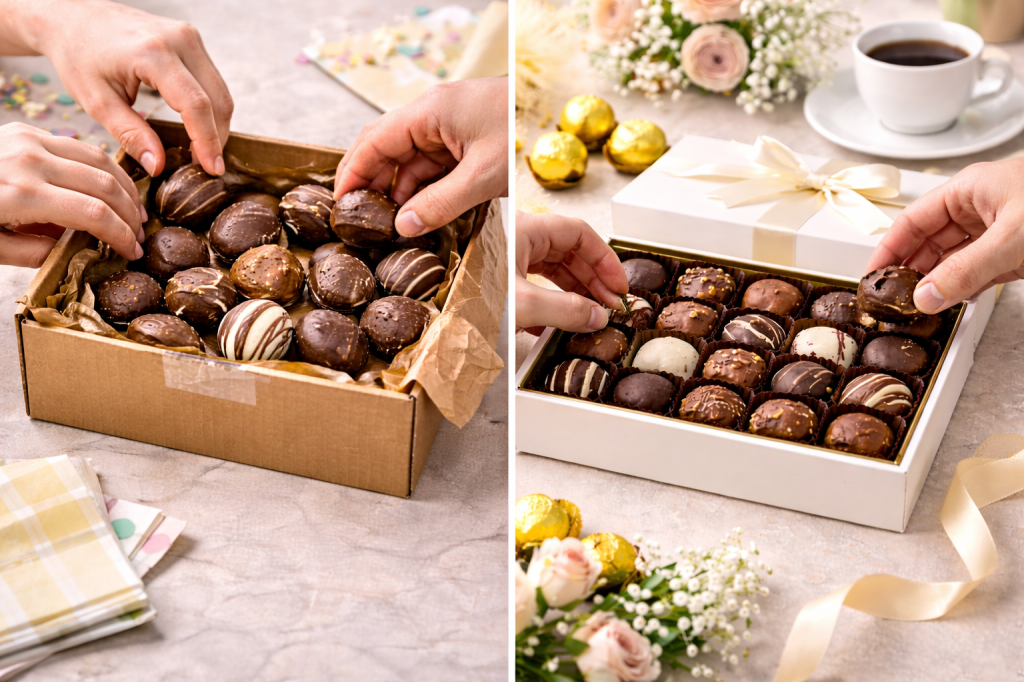
A box gets opened, and instead of clean rows or neat placement, everything looks slightly off. Pieces are turned, some touching when they shouldn’t be, maybe a few spots where surfaces don’t look as smooth as they did before.

Nothing is fully damaged, but it doesn’t look right.

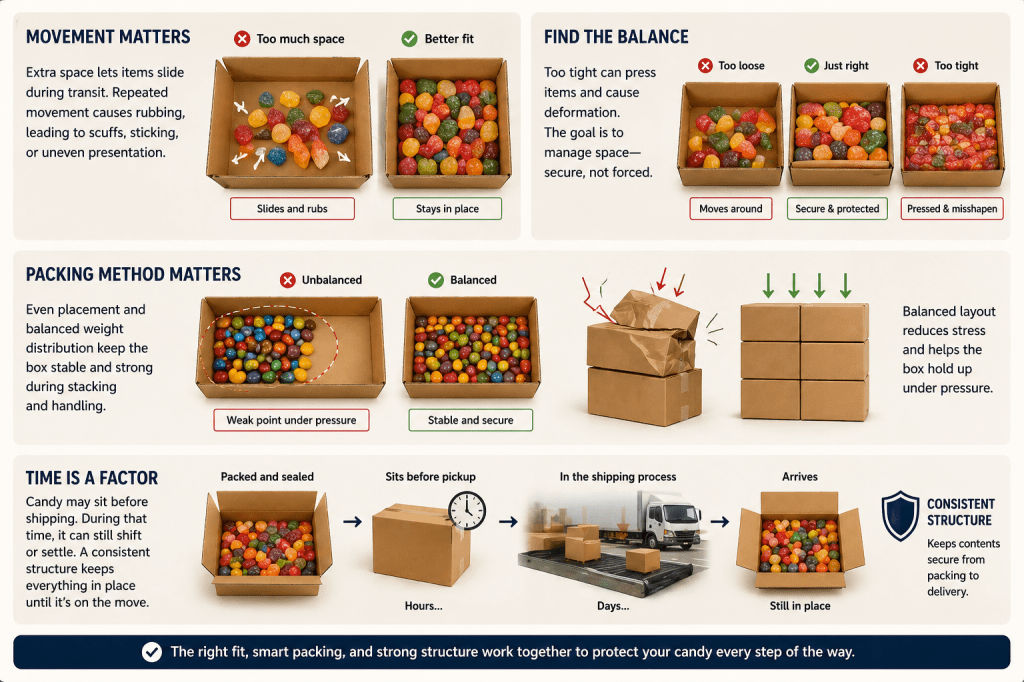
That usually comes from a mix of small things that happen over time. Candy is sensitive to both movement and contact. When items are placed into a box with too much space, they shift as the package is handled. Every movement, even a small one, adds up. Over the course of shipping, that repeated shifting changes how everything sits.

The structure of the box plays into this as well. If the box flexes under pressure, even slightly, it changes the internal space. That can cause items to press together or move out of position. A stronger box holds its shape, which keeps the internal layout consistent from packing to delivery.

Spacing is where a lot of these issues begin. Too much room allows movement. Too little room creates pressure. The goal is to find a middle ground where items sit comfortably without being forced together or left loose. When that balance is right, the contents remain stable even as the package moves through different stages of handling.

The way items are arranged also matters. If weight is uneven, certain areas of the box experience more stress. That stress can cause shifting or compression in one section while others remain unaffected. A more even layout reduces that risk and helps maintain the original placement.

Handling before shipping is another factor that often gets overlooked. Candy may sit for a period of time before it is packed or sent out. During that time, exposure to air and contact with other surfaces can affect its condition. Using a consistent process that limits unnecessary handling helps preserve the product before it even enters transit.

From the customer’s perspective, the condition of the candy when the box is opened sets the tone. A clean, organized presentation feels intentional and well prepared. A messy or uneven presentation can create hesitation, even if the product itself is still usable.

There are also operational benefits to getting this right. Fewer issues with presentation mean fewer returns and less time spent addressing customer concerns. This leads to a more efficient process and a more consistent experience overall.

Many candy boxes today are made with recycled materials that still provide the durability needed for shipping. This allows businesses to maintain performance while using materials more responsibly, without changing their packaging process.

Keeping candy from arriving messy is not about one single fix. It is about controlling movement, maintaining structure, and using the right amount of space. When those elements are managed properly, the product arrives in the same condition it was packed, and the experience remains consistent from start to finish.

Why Candy Needs Protection

Candy often looks small and simple, but many sweets are surprisingly delicate. A chocolate shell can crack under pressure, soft caramel can flatten, and sugar candies can chip if they hit something hard. Because of this, candy needs protection while it is stored, transported, and shared. Candy boxes provide a simple and reliable way to keep treats safe while also making them easy to present.

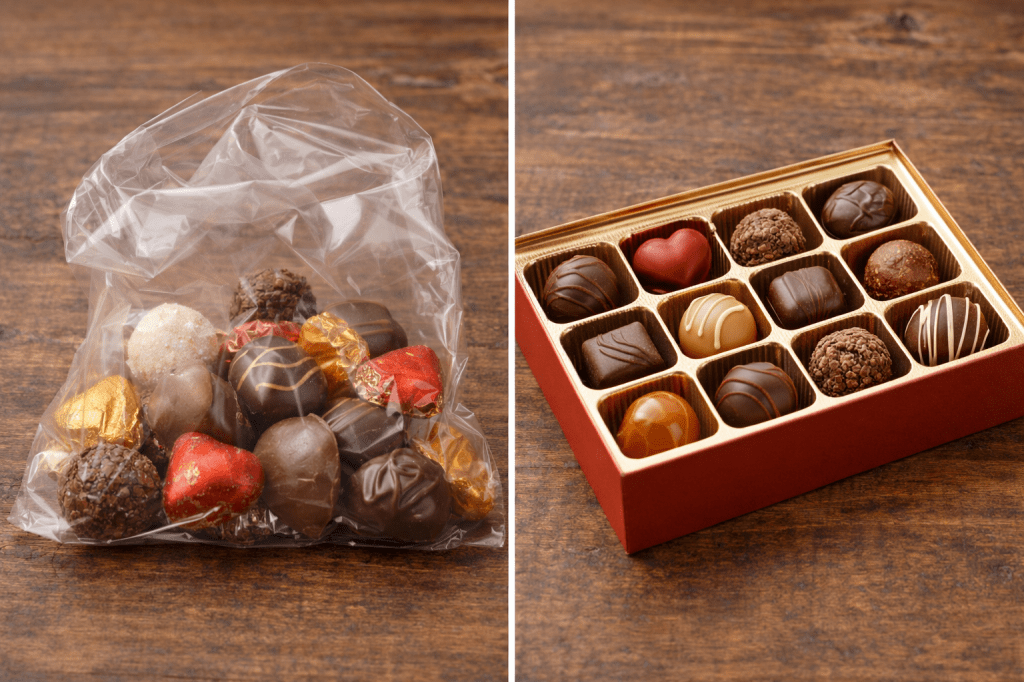
One of the biggest problems candy faces is movement. When sweets travel inside a loose bag, they slide around and bump into each other. This may not seem like a big issue at first, but over time those small bumps can change how candy looks and feels. A smooth chocolate coating may become scratched, or a soft candy may lose its shape. Candy boxes reduce this problem by holding the sweets firmly in place.

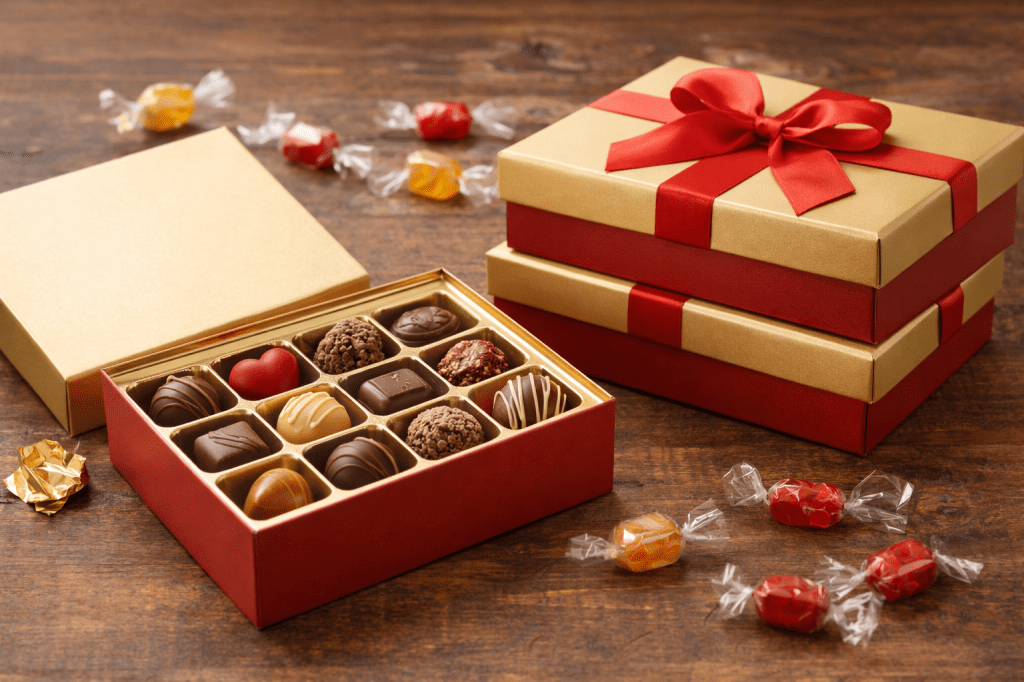
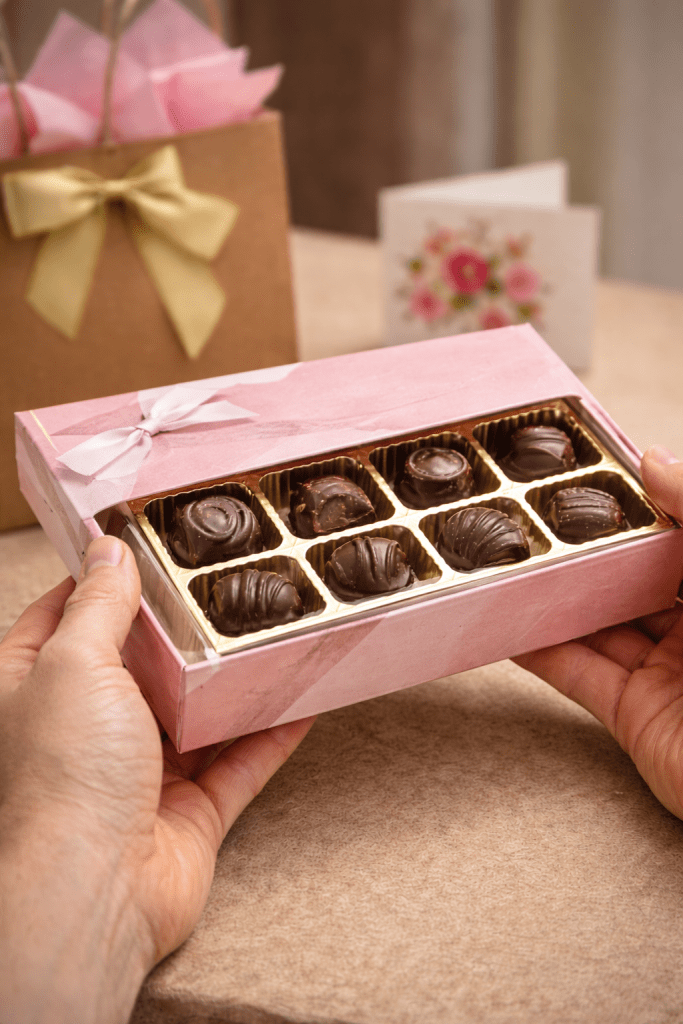
Many candy boxes are designed so each piece rests comfortably inside the container. Some boxes include inserts or trays that create small spaces for individual candies. When chocolates or other sweets sit in their own spots, they stay neat and organized. This makes a big difference when someone opens the box and sees rows of perfectly shaped treats waiting inside.

Temperature changes can also affect candy. While a box cannot stop heat entirely, it can provide an extra layer of protection compared to an open bag. The closed lid shields the candy from light and helps reduce exposure to warm air. This can help sweets stay fresh longer, especially when they are stored on shelves or transported between locations.

Candy boxes also help people create memorable moments. Imagine receiving a small box wrapped with colorful paper. You lift the lid and see a collection of shiny chocolates arranged carefully inside. The experience feels thoughtful and exciting because the candy is presented in a way that feels special. The box turns the candy into something that feels more like a gift than a simple snack.

Many small candy makers rely on boxes when sharing their creations. A person making homemade chocolate bark or caramel squares wants the treats to look as good as they taste. Placing those sweets into a candy box helps maintain their shape and appearance. When friends or family open the box later, the candy still looks inviting and fresh.

Candy boxes are also common during holidays and celebrations. Around Valentine’s Day, heart-shaped boxes filled with chocolates appear in stores and homes. During winter holidays, families often exchange boxes of sweets while visiting relatives. The box keeps the candy protected during travel, ensuring that the treats arrive ready to enjoy.

Fundraisers and school events sometimes use candy boxes as well. Groups selling sweets for a cause want the candy to look clean and appealing. A box provides structure and keeps the treats organized, which helps people feel confident about what they are buying.

Over time, the simple candy box has become part of the experience of enjoying sweets. It protects delicate treats from damage, keeps flavors separated, and creates a sense of excitement when someone lifts the lid. Instead of finding candy crushed at the bottom of a bag, people open a box and discover a neat collection of sweets waiting to be shared. That small difference turns an ordinary treat into something that feels carefully prepared and ready to enjoy.

How to Ship Fragile Stuff in a Box 

Ever had to ship out items, but you don’t know how to fix this? Being able to ship out fragile stuff without having it break can be a huge challenge. That’s why we’ll go over the best ways to ship fragile stuff, so you don’t have to worry about possible returns, or upset customers. 

The right Box Matters

You need the right box for everything. No matter how good the box is, it won’t work well if the product is not fitting in the box.  This is especially important for easily broken items. 

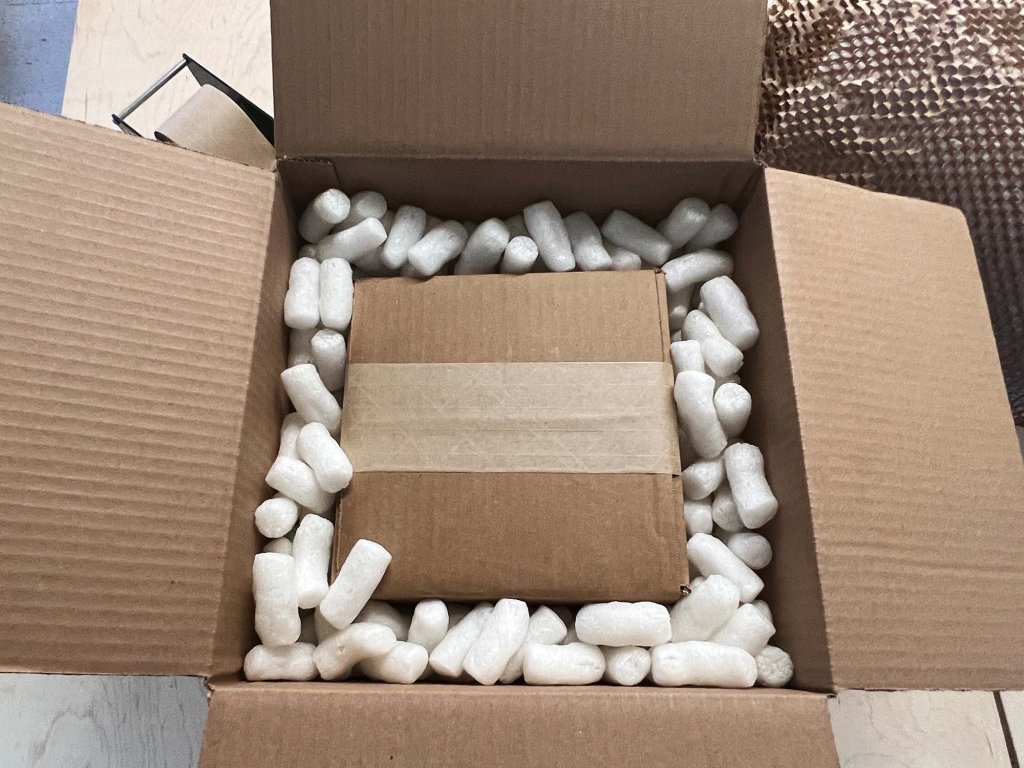
Boxes that are too big put the package at risk for getting damaged through rattling about. Too small, and there’s a chance that it might fall out of the package

Try to get it to the ideal fit to minimize damage risk. 

Fill that Void 

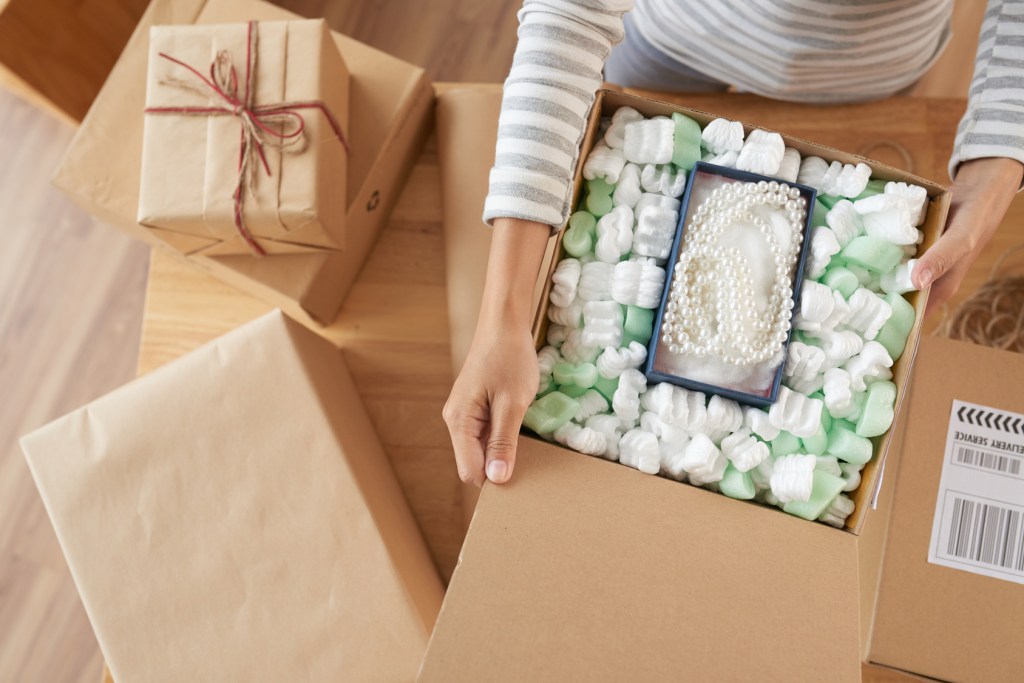
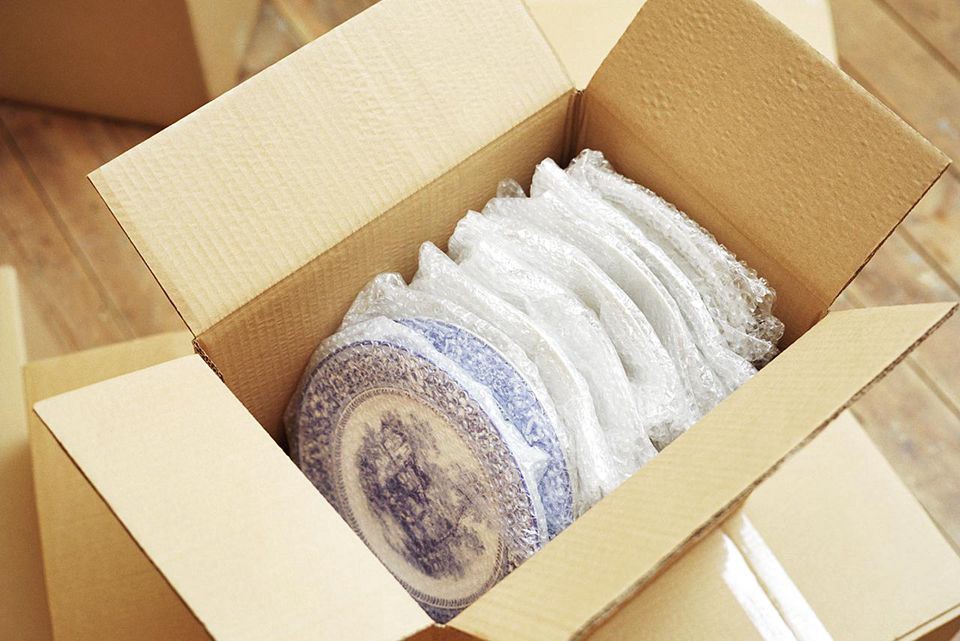
No matter how ideal the box is, it’s imperative to ensure that you have void fill to fill up any specific spaces. This is a cushioning made to fill up the space around the product. It fixes it in one place and reduces the chances of it being damaged. It is definitely something that is important if the box doesn’t fit everything. Packaging peanuts have been popular as of late, but air pillows, bubble wrap, and even paper that’s shredded work. 

A lot of these are more ecofriendly than the other. for many manufacturers, those that are conscious of consumers are now looking for more sustainable forms of packaging to go that extra mile.  These days, there are now eco-friendly packaging peanuts too, so it’s more sustainable. 

Wrap This 

You want to try to wrap the item if you don’t decide to use bubble wrap and airbags. This barrier is good regardless of the shape and size of this. It’s also very compostable and recyclable. It looks good, fits with the eco-friendly aesthetic, and customers will enjoy that wow factor that comes with unboxing, without worrying about sustainability. 

You also might want to look at paper wrap. This is something that’s good with void fill, and paper is something that’s lightweight, with zero impact on shipping and delivery. Costing very little energy to make, it’s definitely ideal. 

Divide it up 

You might want to consider dividing the items if there are multiple ones. If you plan on shipping multiple items in the same order, you want to wrap each of these separately or use dividers so that they don’t hit each other. When you do this, try to incorporate foam inserts for this, or cardboard ones too, as they will offer the ideal protection that’s needed. 

Molded Inserts Matter 

Molded types of inserts are what’s beyond just a regular box, and it offers the most specialized forms of protection. They’re made with wastepaper and unique natural fibers, used with a lot of success in baking and food, but it’s also definitely gotten a foothold in the cosmetic world. 

This is basically what you use for takeaway cups from shops and the like. Molded material is great for items that tend to go within this, such as camera stuff, a toothbrush, and so much more 

The downside to this is that it’s hard to print on this due to the fact that it’s molded pulp, and this surface is quite low. However, it’s more durable, and with the prices of such, it definitely is something to consider. Use these tips, and you’ll see a difference in the effects of your shipping, and fragile items will be shipped much quicker than they have ever been before. 

Packaging Design for Flawless returns 

E Commerce has grown a whole lot. For the most part, people are satisfied with their purchases, but there are rare instances where returns are necessary. Sometimes it’s because of size and fit. Other times, it might not be what they ordered. 

Regardless of the reasons, you want to make sure that your packaging is seamless for product returns so that customers can have an easy time returning their items. 

The Problem with Returns 

Lots of times, the reason why customers don’t return things is because of how returns are handled. 

Their alternative is then to just go to another person, rather than focus on returns. 

One major factor is not enough protection, leading to damaged goods. For example, if the product is encased in thin packaging, people might not be inspired to return it, and as a result, they will hold onto it, but have a negative view of your company.

Some companies also make returns very complex. It doesn’t have to be, but the problem is some companies don’t facilitate it. Unlike amazon where it’s just scanned at a hub such as UPS and then they handle the return, companies might even ask the customer to pay for shipping, and that can turn away customers in many cases. 

What Packaging to Use? 

Obviously, you want to use packaging that will not only protect the item, but also will make returns seamless. 

This means durable and protective packaging materials.   Corrugated boxes are good ones, and you can even give incentive to ship it back in the same box, they just need to print out the label, or you can have a code scanned to facilitate ease of returns.

You can also use resealable packaging. These are mailers with a self-adhesive on there. the customer just has to put the tab over the top, closing it, and then they can ship this back.    This also is good because if it’s simple to open, it’s likely the package will remain intact as well. 

Finally, you want to add in some pre-printed labels with instructions that are clear. Some even include this in the packaging when the customer gets it.   some may send a link to download, or even a QR code for returning things easily. They just have to bring it to a packaging store, and it will help with making the returns easier. 

Amazon is one of the best examples of this, because they know the importance of returns, and staying ahead of the game.   They made sure that people could easily return the items that they have, using a label that will offer ease of access to their items.   After a person realizes they don’t want it, they can request a return. They then just have to bring it back in, and then they can return it. 

Any Innovations 

With returns, the goal is to make things easier. Smart technology is going to be a focal part of this.

For example, many customers might use a QR code in order to return the item. Through scanning this, the customer will have clear return instructions to make it easier. They may also offer labels as well, making it even better for people looking to highlight their packaging. 

AR technology might be used before the fact, so that if there is a chance that something might work or not work, then they will be able to see it beforehand.

Packaging is important for many reasons. Brand awareness, communicating intent, and so much more but most of all, it helps with returns and facilitating ease for customers. 

Make It Gift Worthy

Have you ever bought candy as a gift and felt unsure the moment you picked it up? The flavor might be great. The brand might be trusted. But the box feels light. The lid shifts. The corners look soft. Suddenly it does not feel like a gift anymore.

When people buy candy for someone else, they are not just buying sweets. They are buying a moment.

Candy boxes designed for gifting need to do more than hold product. They need to create anticipation.

Start with structure. A box that stays perfectly square when held sends a message of strength. When the sides remain straight and the lid sits flush, the entire product feels intentional. If the lid wobbles or gaps show at the corners, that small flaw lowers confidence.

Now imagine handing someone a box that feels solid in their hands. It has weight. It opens smoothly. The lid lifts without sticking. That simple motion adds ceremony to the experience.

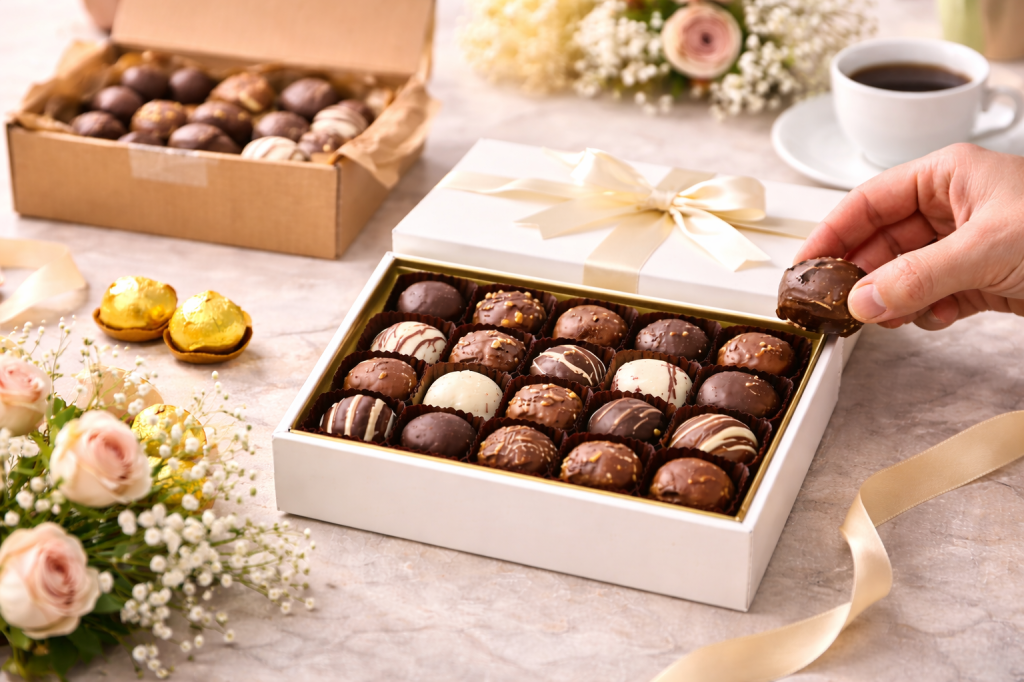
Interior layout matters as well. When pieces are spaced evenly and held in place, the first view inside feels organized and thoughtful. Inserts help keep each candy in its own space. No sliding. No crowding. Just clean presentation.

Think about texture too. A soft matte surface can feel elegant. A subtle sheen can catch light without looking flashy. Even without expensive details, a well-chosen finish makes the box feel special.

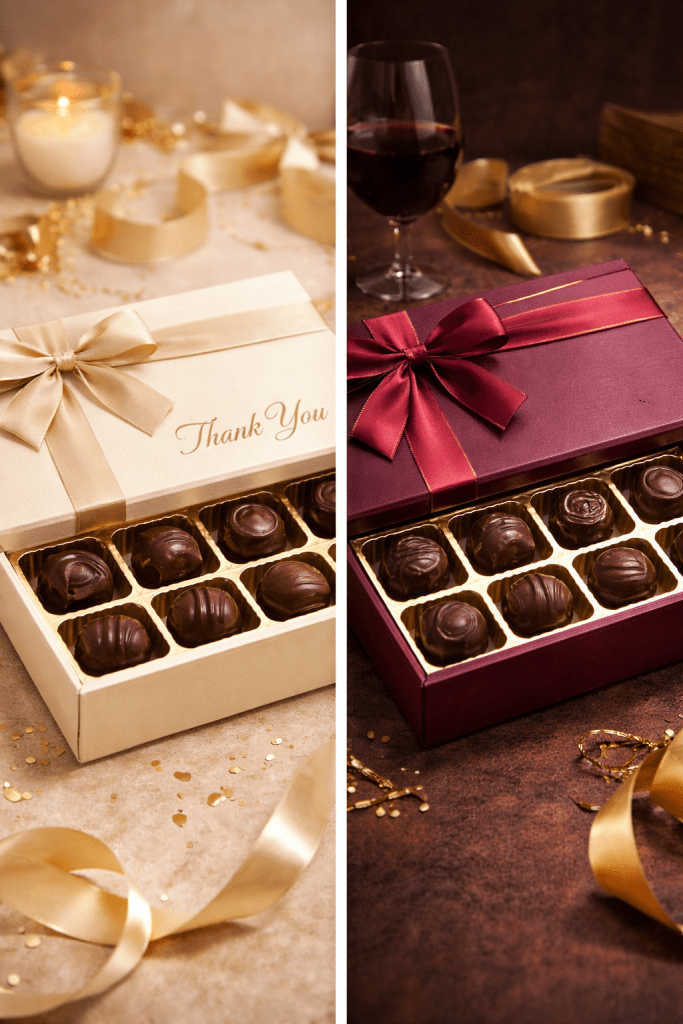
Color choice shapes emotion. Soft creams and warm reds often feel celebratory. Deep tones feel rich and indulgent. The color should match the story your brand wants to tell.

Protection during travel is critical. Gift items are often shipped across states or even countries. Strong candy boxes combined with proper outer packaging prevent crushed lids and cracked pieces. When the product arrives looking perfect, the giver feels proud.

Picture a customer placing your candy on a holiday table. The box stands upright. It looks ready to present. Guests admire it before opening. That small moment turns packaging into part of the celebration.

Ask clear questions when selecting packaging. Will this box hold up during stacking? Does it protect delicate pieces? Does it feel worthy of being handed to someone special? Does it match the price point we want to charge?

Gift-worthy packaging supports premium positioning. When the outside feels refined, customers are more comfortable paying for quality.

Candy is often shared during meaningful occasions. Birthdays. Anniversaries. Holidays. The box becomes part of the memory.

When designed thoughtfully, candy boxes elevate simple sweets into something memorable. They transform a purchase into a presentation. And that presentation can be the reason someone chooses your brand again the next time they want to give something special.

User Feedback and Packaging 

While it’s not something that’s always seen initially, almost every package that’s a winner is made specifically for a target audience. 

One example is pasta, which is something that’s made the news. Beyond mere looks, customers have started to complain about not finding the right cooking times on these. The number for this actually ended up being found eventually, but on the back corner of the package, in the tiniest font imaginable, in a color that just doesn’t really stand out.

This is something that a lot of people don’t like.  You don’t want to waste time, and a lot of people are now turning to brands and social media to call out this packaging, so that they can find it better. 

Do you really care about the pasta name that’s on there or the recipes that are on the side? Not really?  You want to also look at the different times that are there.  While yes, you want to make sure that it looks good, but the thing is, overcooked pasta is a huge no, and a lot of people don’t want that.  Whether it’s penne, spaghetti, or bucatini, you’ll want to make sure that you have the cooking instructions, especially al dente.

Why is this hidden then? Well, this was first started by the Garofalo pasta factory.  They had world pasta day, which then coincided into something called the big minutes movement.  This convinced the manufacturer to actually launch a special type of pasta that’ll benefit those obsessed with cooking minutes.

The preparation is now seen in the very front and center on this packaging, and with the transparentness of this, it really promotes that it’s big, it’s bold, and it matters a whole lot. 

The gap in the transparency was first found by Marco Faccio, who was part of the Hub09 agency out in Turin, where he launched different revised types of pasta mockups that also offered the different information on full display. This then escalated, to the point where Fabianelli did create their own campaign, and also Findus and Riso Gallo, two other pasta retailers also made sure to have a marketing style in real time, where they showed how different and innovative they were through printing the different cooking times on there. 

This is something that has further changed too. Some of them even have it front and center, in a large  format that people can all go and see.  

You may not realize it, but a lot of pasta manufacturers are now zooming in front, pushing it front and center, and this is something that does enhance the cooking of pasta. It might not seem like much, but remember, cooking times do vary based on this, and for a lot of pasta, if it’s not cooked al dente, it would be better not to be cooked at all! 

If you’re someone that is interested in preparing packaging with different types of means that you wish to test, you’re not alone. Remember, feedback is good for brands and businesses. It makes people happy when they’re getting pasta that fits exactly what they need.

When you create a prototype, even just a small sample, you’ll be able to test this out. You can set up focus groups and provide an A/B or even similar testing that’s used to help you figure out the ideal format for products that are there. your packaging will thank you, and from there you will get the best type of pasta that you can.

Not just pasta, any product can benefit from this too. 

Why Presentation Changes Taste

People rarely admit this, but candy tastes different depending on how it is presented. The ingredients do not change, yet the experience does. When candy comes from a box that feels careless, people expect less. When it comes from a box that feels thoughtful, people slow down and enjoy it more. Candy boxes quietly shape those expectations before anyone realizes it.

One question people often ask is why the same candy feels better in one setting than another. The answer is context. Candy handed over loose or poorly boxed feels casual, almost forgettable. Candy placed neatly in a well-fitted box feels deliberate. That sense of intention affects how people approach the first bite. They chew slower. They notice texture. They stay present. The box sets the tone without saying a word.

Another common question is how candy boxes affect gifting. When candy is given as a gift, the box becomes part of the message. A weak box can make the gift feel rushed, even if the candy is high quality. A solid box communicates effort. It says someone planned ahead. It says the moment mattered. That message lands before the box is opened, and it colors everything that follows.

People also ask how to avoid candy feeling “store bought” in a bad way. This often comes down to spacing and structure. When candy is crammed together, it feels mass-produced. When pieces have room and sit evenly, they feel selected. A box that supports that layout helps candy feel curated instead of dumped. That distinction matters, especially when candy is used for events or special occasions.

Another issue is how long candy stays appealing once opened. Some boxes look good for the first few seconds, then fall apart as soon as someone takes a piece. Gaps form. Candy tips over. The display feels unfinished. Boxes designed to hold their shape even as candy is removed keep the experience pleasant from start to finish. That consistency helps candy stay inviting instead of slowly losing appeal.

People also think about cleanliness, even if they do not say it directly. Candy that slides around feels touched, even when it is not. Boxes that keep candy in place reduce that perception. Each piece feels separate and fresh. That feeling matters more in shared spaces, where many hands are nearby. A box that maintains order helps people feel comfortable taking part.

There is also growing interest in packaging that feels sensible after use. Candy boxes that can be flattened, reused, or easily recycled leave a better impression than those that feel wasteful. When packaging feels simple and practical, it does not distract from the candy. It supports the experience instead of competing with it. That balance is important for people who care about what they throw away.

Choosing the right candy box is not about decoration or trends. It is about guiding how people feel from the first glance to the last piece. A good box protects shape, supports order, and signals care. When those elements come together, candy feels better to eat, even if the recipe never changes. Presentation does not just frame the candy. It changes how people experience it.

Unlocking the Versatility and Presentation Power of Modern Candy Boxes

Candy boxes are one of the most versatile and customer-pleasing packaging options available to retailers, gift shops, bakeries, and specialty brands. While the name suggests they are just for sweets, today’s candy boxes have expanded far beyond chocolates and truffles. They have become a practical, aesthetically appealing solution for showcasing small products, elevating brand presentation, and improving the overall customer experience. Candy boxes play a meaningful role in how businesses package their items, and understanding how to use them well can enhance both product protection and the perceived value of what’s inside.

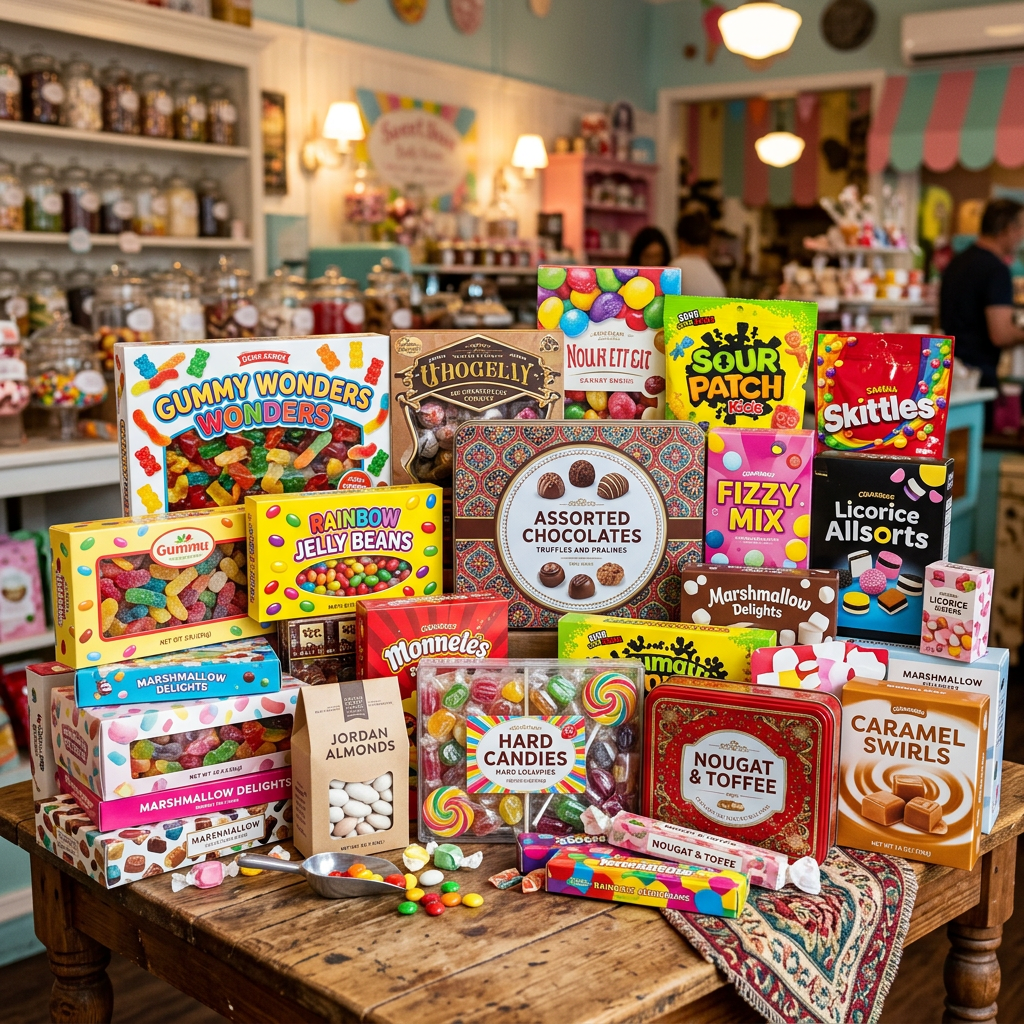
One of the strongest benefits of candy boxes is their visual appeal. The clean lines, sharp edges, and structured feel make them naturally suited for products that customers want to display, give as gifts, or enjoy as an indulgent treat. Many customers shop with their eyes first, and candy boxes give businesses an easy way to catch that attention. The ability to choose colors, lid styles, and box shapes lets brands create packaging that reflects their personality. A candy store may choose bright colors and window-front boxes that show off an assortment of truffles, while a luxury boutique might prefer muted tones or a clear-lid candy box for small accessories or favors. The flexibility means candy boxes can fit into nearly any style of branding.

Another key advantage is the product protection candy boxes offer. Even though they are lightweight, their structure keeps delicate items from being crushed or shifting during transport. Small baked goods, caramel squares, handmade soaps, bath melts, mints, and jewelry can all benefit from the snug, supported environment a candy box provides. Candy boxes are designed to stay firm while still being easy to open, meaning customers get a satisfying unboxing experience without struggling to access the contents. This combination of protection and convenience makes candy boxes a dependable everyday packaging option.

Candy boxes also help businesses simplify their inventory because they can be used for multiple product categories. Instead of stocking deep trays, specialty inserts, and various custom packaging shapes, candy boxes can step in as a multi-purpose solution that covers a wide variety of small goods. Their stackability saves back-room storage space and makes it easier for employees to organize supplies. When packaging is simple to manage, operational efficiency naturally improves.

For businesses offering seasonal products, gift sets, or limited-edition items, candy boxes are particularly useful. They can be dressed up with ribbons, branded stickers, custom labels, or colored tissue paper to instantly transform into holiday or event-themed packaging. Many companies lean on candy boxes during busy seasons like Valentine’s Day, Mother’s Day, or Christmas because they allow fast assembly while still delivering a polished, premium look. Having a reliable packaging choice that can be quickly customized for any event helps businesses stay efficient during high-traffic periods.

Environmentally conscious customers also appreciate recyclable candy boxes. Many are made from paperboard, which is widely recyclable and a preferred material for customers who want packaging that feels responsible without sacrificing aesthetics. By choosing recyclable candy boxes, businesses can support sustainability goals and appeal to buyers who care about minimizing waste.

Overall, candy boxes continue to be a valuable packaging tool for any business that needs a balance of visual appeal, product protection, and practicality. Their ability to elevate presentation while remaining functional and cost-effective makes them a strong choice for retailers of all sizes. As customer expectations rise and presentation becomes a larger part of the shopping experience, candy boxes help businesses deliver packaging that reflects care, attention to detail, and polished branding.

Why Candy Breaks Fast

Candy may seem easy to package, but many businesses discover the hard way that sweets can be surprisingly fragile. One rough delivery, a humid storage room, or a weak container can ruin products before customers even get the chance to enjoy them. Broken chocolate, cracked candy shells, and smashed gift assortments are problems that happen every day when packaging is treated like an afterthought instead of part of the product itself.

One question candy sellers often ask is why some products stay fresh longer than others. Packaging plays a major role in that answer. Candy exposed to air too often may dry out, soften, or lose texture faster than expected. Certain treats can even absorb moisture from the environment and become sticky or clumpy. A quality candy box helps create a more stable environment around the product so flavor and texture hold up longer during storage and delivery.

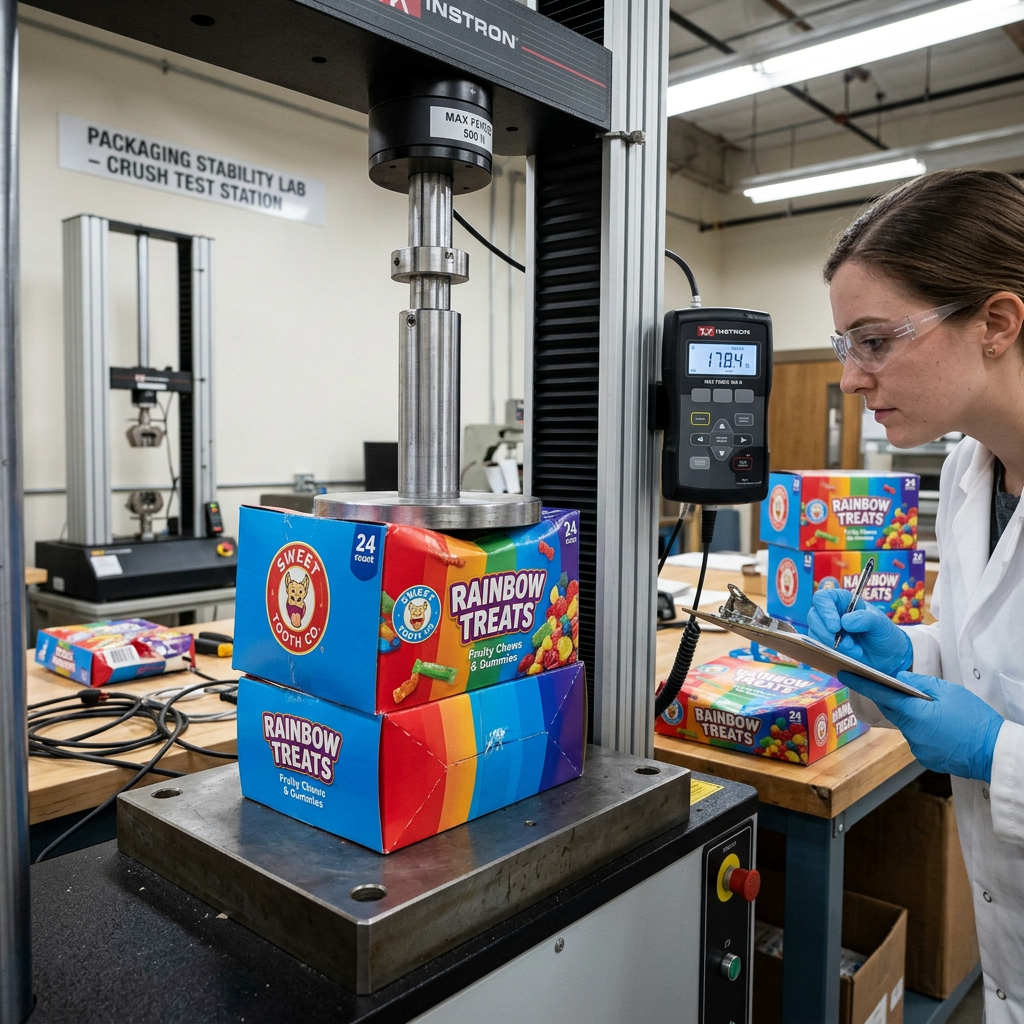
Another issue businesses run into involves stacked shipments. Candy boxes are frequently packed together inside larger cartons during transport. Weak packaging may collapse under weight, causing products underneath to crack or flatten. Stronger boxes help distribute pressure more evenly so candy holds its shape from warehouse shelves to front doors.

Small candy companies also ask how packaging affects online orders. Internet sales have changed how candy moves from seller to buyer. Products may now travel across several states instead of just across town. That longer journey increases the chances of rough handling and temperature changes. Candy boxes designed for shipping can help reduce movement inside packages and protect items from shifting around during transit.

Many customers buy candy for celebrations, which means appearance matters almost as much as taste. Holiday parties, weddings, birthdays, and corporate events often require candy displays that look clean and organized. Neatly packed candy boxes help products arrive looking more polished and professional. People notice when packaging feels secure instead of flimsy or crushed.

Another common question centers around storing candy safely in shops or homes. Heat and sunlight can quickly affect many sweets, especially chocolate products. Proper boxes help shield candy from direct exposure and make storage easier to manage. Organized packaging also helps businesses rotate inventory more efficiently so older products get used before newer stock.

Fundraisers and schools use candy packaging differently than retail stores. In those situations, candy often changes hands many times before being eaten. Children carry products in backpacks, volunteers transport them in vehicles, and organizers stack them during events. Candy boxes help reduce messes and protect products through all those extra steps.

People are also paying closer attention to presentation on social media. Candy businesses often post product photos online, and customers share pictures of gifts or purchases. Packaging that looks neat in photos can help products appear more premium and trustworthy. Even simple candy can seem more valuable when presented inside a clean, sturdy box instead of a wrinkled container.

Another benefit many businesses appreciate is easier labeling. Candy boxes provide clear surfaces for ingredients, flavors, allergy warnings, or branding information. This helps customers quickly understand what they are buying without confusion. Organized labels can also make shelves look cleaner and more professional.

The right candy packaging does far more than hold sweets in place. It helps products survive shipping, protects freshness, improves appearance, supports organization, and creates a better buying experience overall. Customers may come for the candy itself, but strong packaging helps ensure they receive it the way the business intended.