Why Candy Needs Protection

Candy often looks small and simple, but many sweets are surprisingly delicate. A chocolate shell can crack under pressure, soft caramel can flatten, and sugar candies can chip if they hit something hard. Because of this, candy needs protection while it is stored, transported, and shared. Candy boxes provide a simple and reliable way to keep treats safe while also making them easy to present.

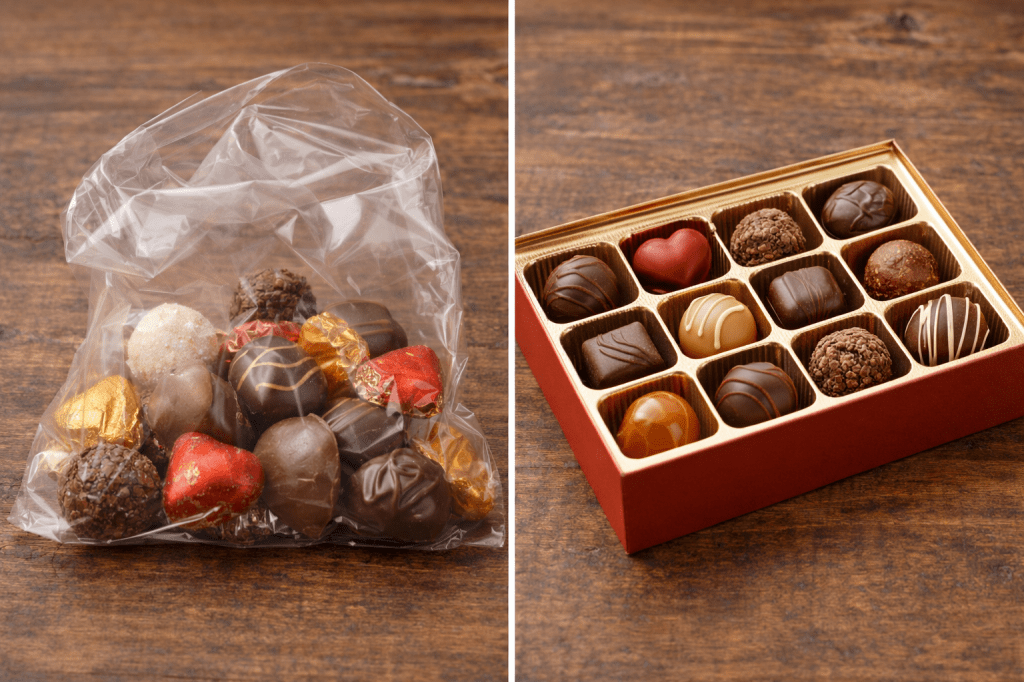
One of the biggest problems candy faces is movement. When sweets travel inside a loose bag, they slide around and bump into each other. This may not seem like a big issue at first, but over time those small bumps can change how candy looks and feels. A smooth chocolate coating may become scratched, or a soft candy may lose its shape. Candy boxes reduce this problem by holding the sweets firmly in place.
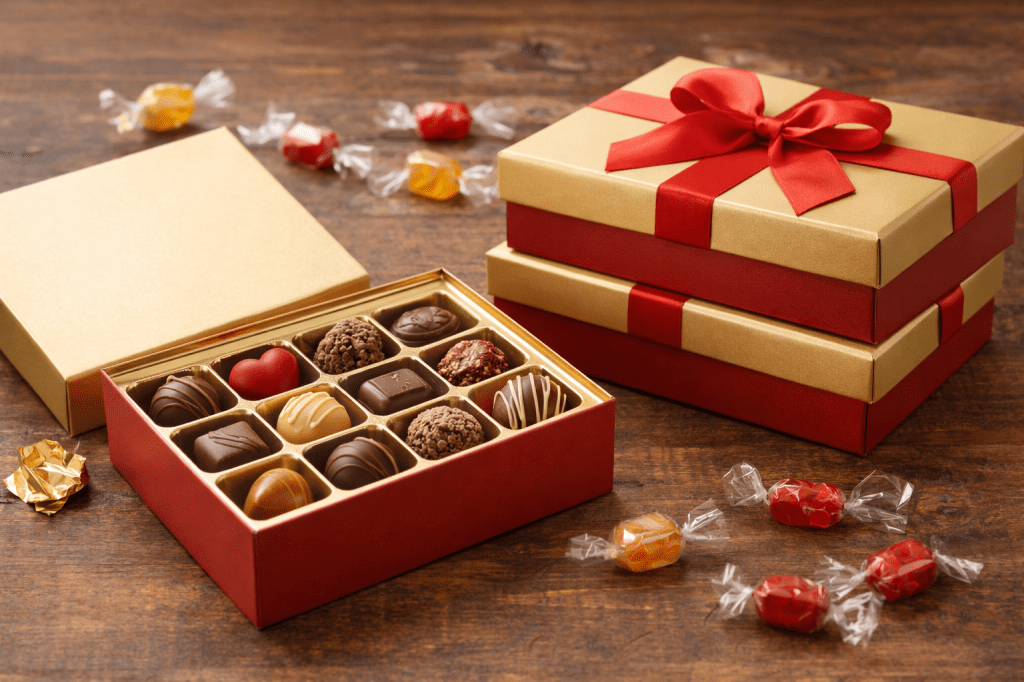
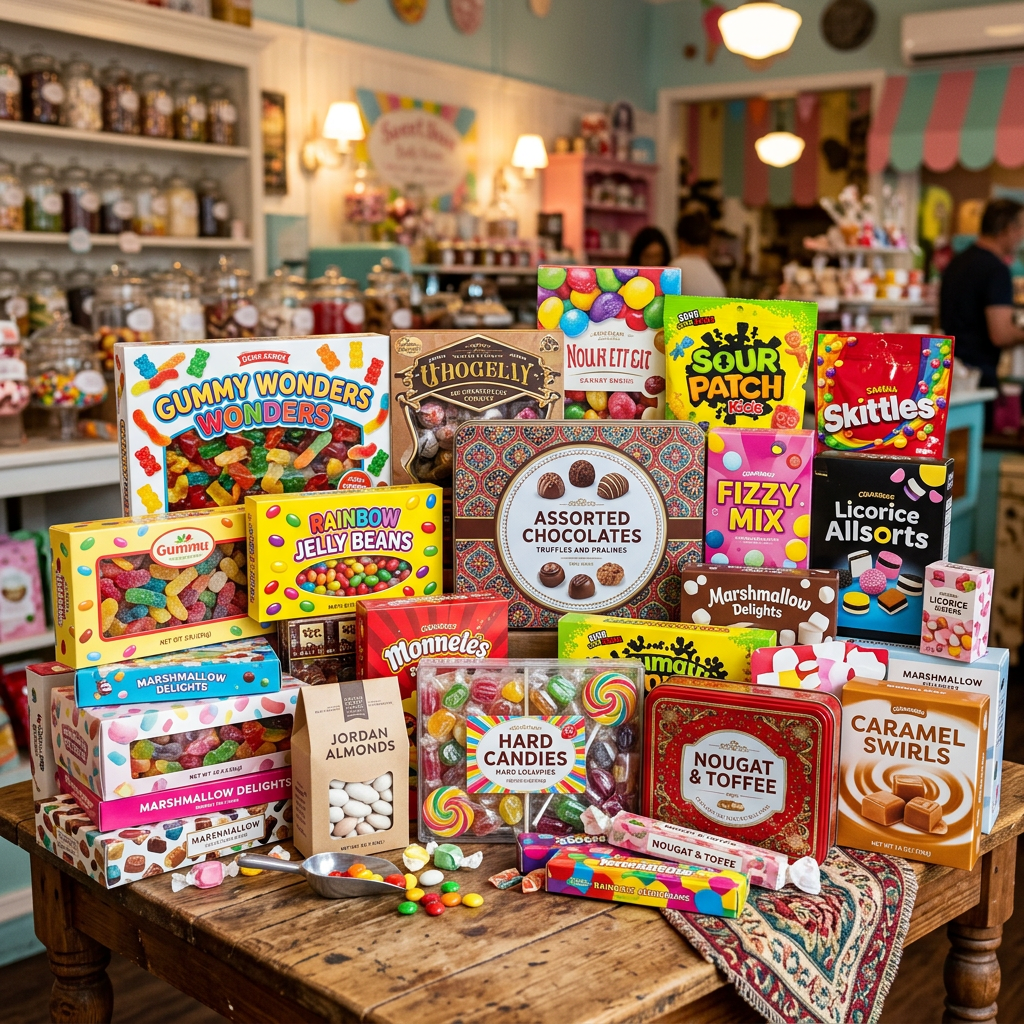
Many candy boxes are designed so each piece rests comfortably inside the container. Some boxes include inserts or trays that create small spaces for individual candies. When chocolates or other sweets sit in their own spots, they stay neat and organized. This makes a big difference when someone opens the box and sees rows of perfectly shaped treats waiting inside.

Temperature changes can also affect candy. While a box cannot stop heat entirely, it can provide an extra layer of protection compared to an open bag. The closed lid shields the candy from light and helps reduce exposure to warm air. This can help sweets stay fresh longer, especially when they are stored on shelves or transported between locations.

Candy boxes also help people create memorable moments. Imagine receiving a small box wrapped with colorful paper. You lift the lid and see a collection of shiny chocolates arranged carefully inside. The experience feels thoughtful and exciting because the candy is presented in a way that feels special. The box turns the candy into something that feels more like a gift than a simple snack.

Many small candy makers rely on boxes when sharing their creations. A person making homemade chocolate bark or caramel squares wants the treats to look as good as they taste. Placing those sweets into a candy box helps maintain their shape and appearance. When friends or family open the box later, the candy still looks inviting and fresh.
Candy boxes are also common during holidays and celebrations. Around Valentine’s Day, heart-shaped boxes filled with chocolates appear in stores and homes. During winter holidays, families often exchange boxes of sweets while visiting relatives. The box keeps the candy protected during travel, ensuring that the treats arrive ready to enjoy.

Fundraisers and school events sometimes use candy boxes as well. Groups selling sweets for a cause want the candy to look clean and appealing. A box provides structure and keeps the treats organized, which helps people feel confident about what they are buying.

Over time, the simple candy box has become part of the experience of enjoying sweets. It protects delicate treats from damage, keeps flavors separated, and creates a sense of excitement when someone lifts the lid. Instead of finding candy crushed at the bottom of a bag, people open a box and discover a neat collection of sweets waiting to be shared. That small difference turns an ordinary treat into something that feels carefully prepared and ready to enjoy.
Why Candy Breaks Fast

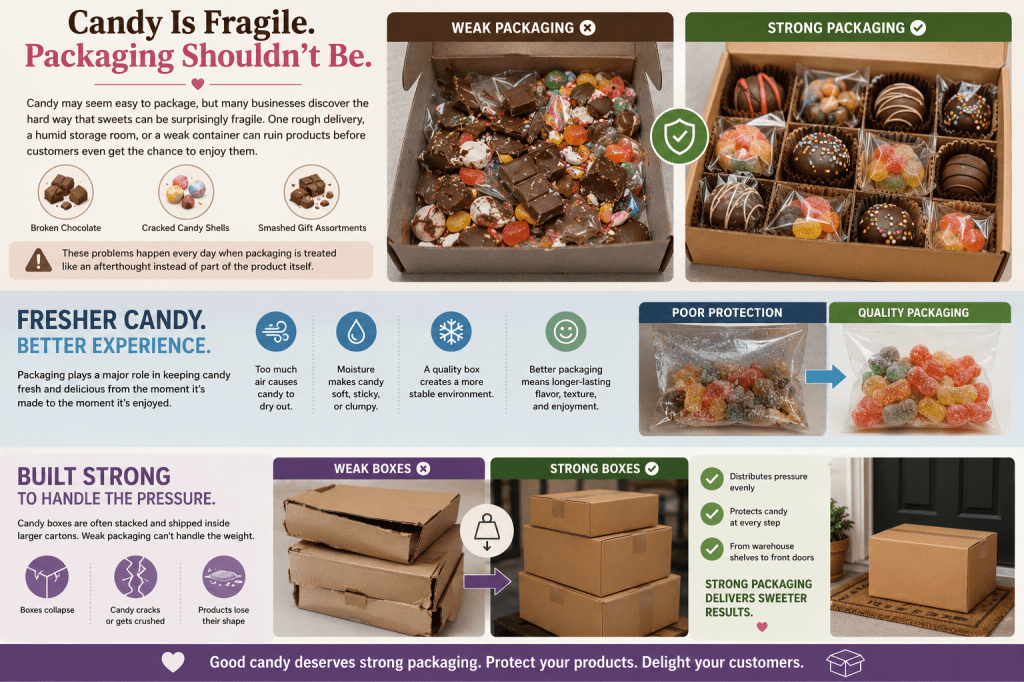
Candy may seem easy to package, but many businesses discover the hard way that sweets can be surprisingly fragile. One rough delivery, a humid storage room, or a weak container can ruin products before customers even get the chance to enjoy them. Broken chocolate, cracked candy shells, and smashed gift assortments are problems that happen every day when packaging is treated like an afterthought instead of part of the product itself.

One question candy sellers often ask is why some products stay fresh longer than others. Packaging plays a major role in that answer. Candy exposed to air too often may dry out, soften, or lose texture faster than expected. Certain treats can even absorb moisture from the environment and become sticky or clumpy. A quality candy box helps create a more stable environment around the product so flavor and texture hold up longer during storage and delivery.

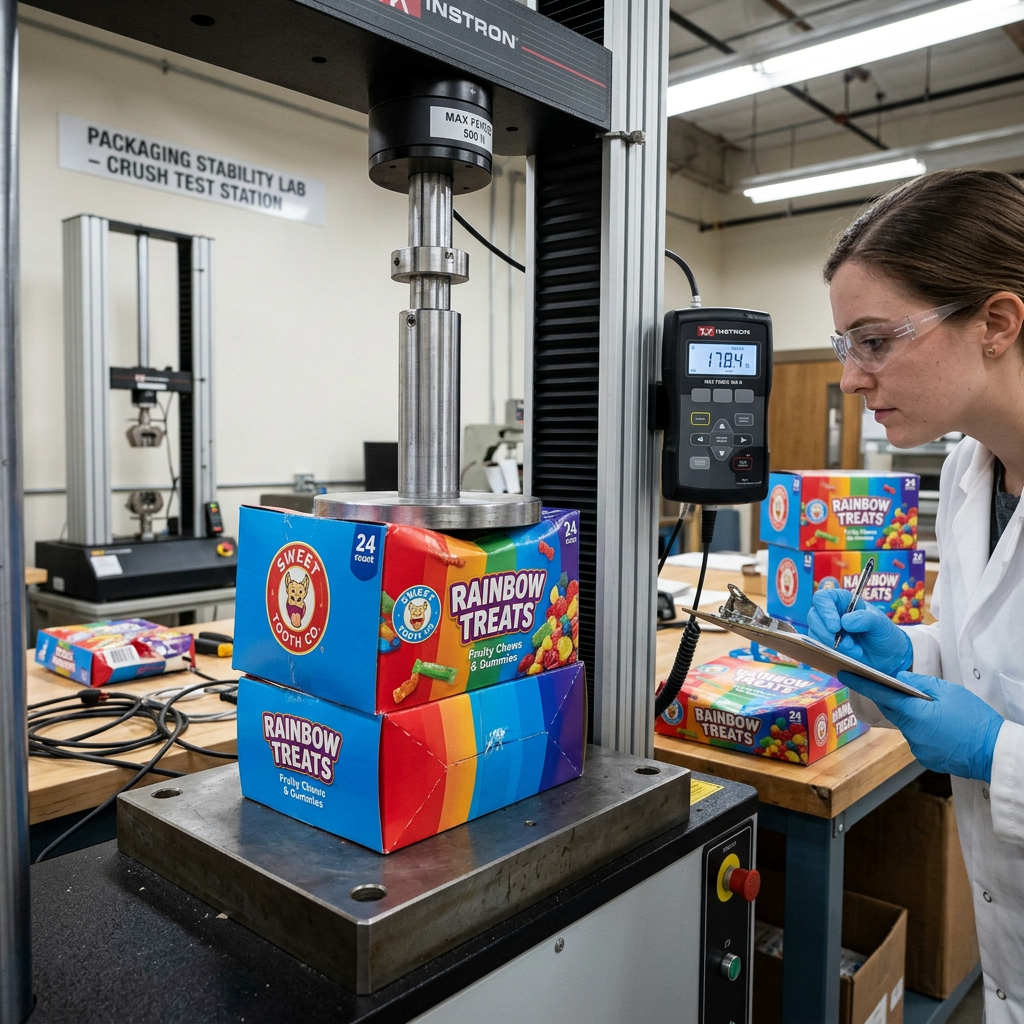
Another issue businesses run into involves stacked shipments. Candy boxes are frequently packed together inside larger cartons during transport. Weak packaging may collapse under weight, causing products underneath to crack or flatten. Stronger boxes help distribute pressure more evenly so candy holds its shape from warehouse shelves to front doors.

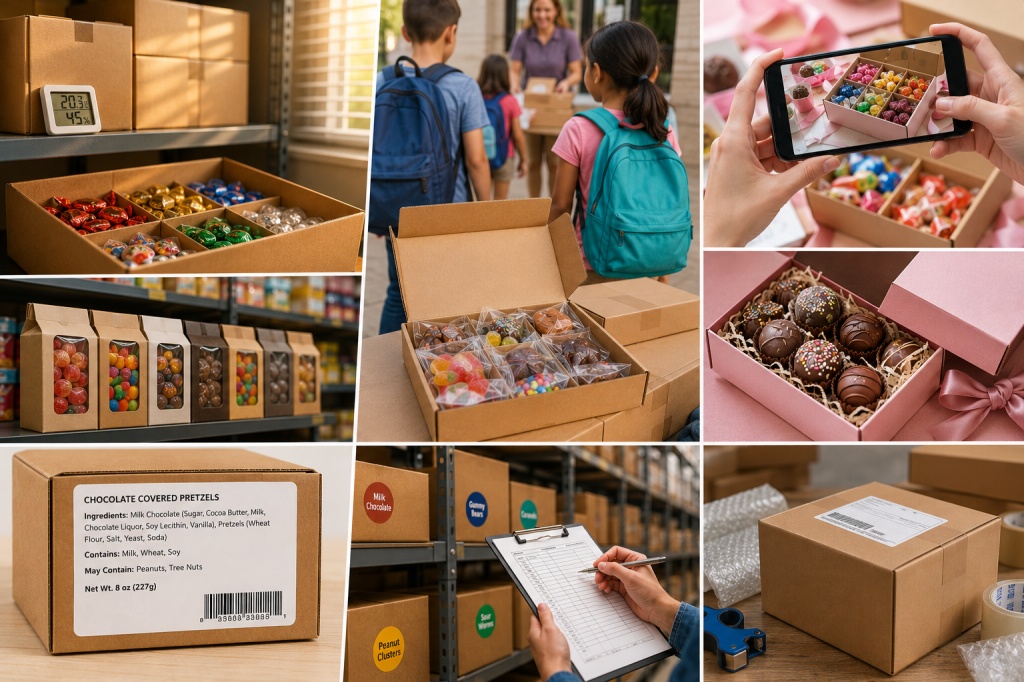
Small candy companies also ask how packaging affects online orders. Internet sales have changed how candy moves from seller to buyer. Products may now travel across several states instead of just across town. That longer journey increases the chances of rough handling and temperature changes. Candy boxes designed for shipping can help reduce movement inside packages and protect items from shifting around during transit.

Many customers buy candy for celebrations, which means appearance matters almost as much as taste. Holiday parties, weddings, birthdays, and corporate events often require candy displays that look clean and organized. Neatly packed candy boxes help products arrive looking more polished and professional. People notice when packaging feels secure instead of flimsy or crushed.

Another common question centers around storing candy safely in shops or homes. Heat and sunlight can quickly affect many sweets, especially chocolate products. Proper boxes help shield candy from direct exposure and make storage easier to manage. Organized packaging also helps businesses rotate inventory more efficiently so older products get used before newer stock.

Fundraisers and schools use candy packaging differently than retail stores. In those situations, candy often changes hands many times before being eaten. Children carry products in backpacks, volunteers transport them in vehicles, and organizers stack them during events. Candy boxes help reduce messes and protect products through all those extra steps.

People are also paying closer attention to presentation on social media. Candy businesses often post product photos online, and customers share pictures of gifts or purchases. Packaging that looks neat in photos can help products appear more premium and trustworthy. Even simple candy can seem more valuable when presented inside a clean, sturdy box instead of a wrinkled container.

Another benefit many businesses appreciate is easier labeling. Candy boxes provide clear surfaces for ingredients, flavors, allergy warnings, or branding information. This helps customers quickly understand what they are buying without confusion. Organized labels can also make shelves look cleaner and more professional.

The right candy packaging does far more than hold sweets in place. It helps products survive shipping, protects freshness, improves appearance, supports organization, and creates a better buying experience overall. Customers may come for the candy itself, but strong packaging helps ensure they receive it the way the business intended.